Are you fascinated by the idea of soaring through the skies and viewing the world from above? If so, pursuing American Airline jobs, particularly as a pilot, might be the perfect path for you. As one of the world’s largest and most respected airlines, American Airline jobs offers a wealth of opportunities for those seeking an exhilarating and rewarding profession. In this comprehensive guide, we will explore the journey to becoming an American Airlines pilot, covering educational requirements, the application process, and beyond.
This guide provides a detailed overview of what it takes to secure American Airline jobs, focusing specifically on pilot positions. Whether you’re new to aviation or looking to advance your career, this guide offers valuable insights and practical advice to help you navigate the path to success. From initial training to achieving your first flight, we’ll walk you through each step of becoming a pilot with American Airlines.
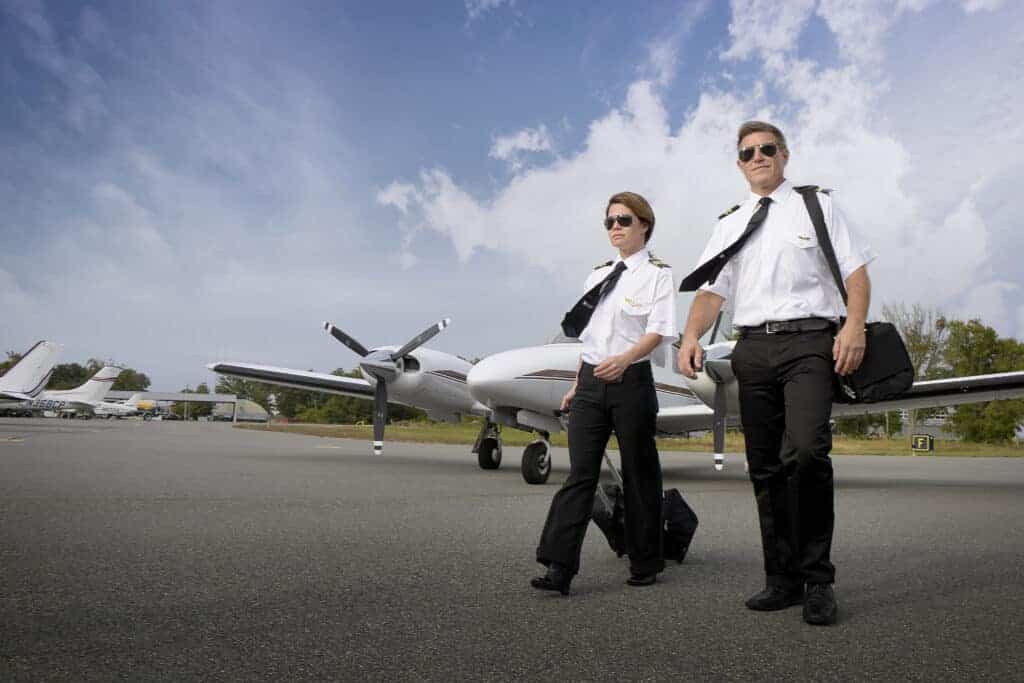
Before delving into the steps to become an American Airlines pilot, it’s important to grasp the responsibilities and demands of this prestigious role. Pilots at American Airlines are tasked with ensuring the safety and well-being of passengers, crew members, and the aircraft itself. They are highly skilled professionals who combine technical expertise, excellent decision-making abilities, and a deep commitment to safety and excellence.
As an American Airlines pilot, you will operate advanced aircraft, adhering to rigorous safety protocols and procedures. This role involves navigating through diverse weather conditions and managing various airspaces, requiring keen situational awareness and adaptability. Additionally, pilots must maintain clear and effective communication with air traffic control and other flight crew members to ensure coordinated and efficient operations.
Beyond the technical aspects, American Airlines pilots also focus on providing a smooth and comfortable journey for passengers. This includes managing in-flight services, addressing any passenger concerns, and ensuring a high level of customer satisfaction. The role demands not only flying expertise but also strong interpersonal skills and the ability to remain calm and composed under pressure.
To start your journey towards securing American Airlines jobs as a pilot, meeting specific educational requirements is essential. While the exact qualifications may vary based on the position and aircraft type, most aspiring pilots begin by earning a bachelor’s degree in aviation, aeronautics, or a related field. This educational foundation is crucial for gaining the knowledge and skills necessary for a successful career in aviation.
During your undergraduate studies, you will delve into subjects such as aerodynamics, aircraft systems, meteorology, navigation, and aviation regulations. These courses provide a comprehensive understanding of the principles and practices that govern aviation. Many universities and colleges offer specialized aviation programs that not only cover theoretical aspects but also incorporate flight training and hands-on experience, giving you practical insights into the industry.
In addition to academic coursework, these aviation programs often include flight labs and simulator sessions that allow you to apply what you’ve learned in real-world scenarios. This combination of classroom instruction and practical training ensures that you are well-prepared to handle the complexities of flying and adhere to the strict safety protocols required in the aviation industry. Completing a bachelor’s degree in aviation-related studies is a significant step towards achieving your goal of landing American Airlines jobs as a pilot.
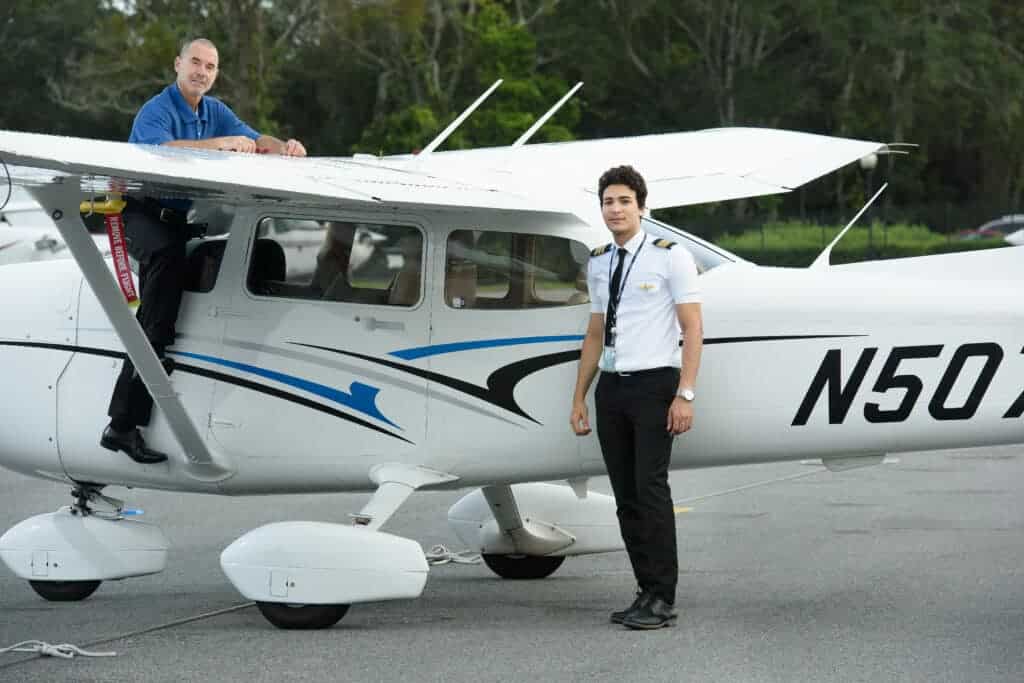
Enrolling in a reputable flight school is a crucial step toward becoming an American Airlines pilot. To obtain a commercial pilot’s license, you need comprehensive training that covers both the theoretical and practical aspects of flying. Schools like the Florida Flyers Flight Academy, which are approved by the Federal Aviation Administration (FAA), provide the rigorous training necessary to prepare you for a career in aviation.
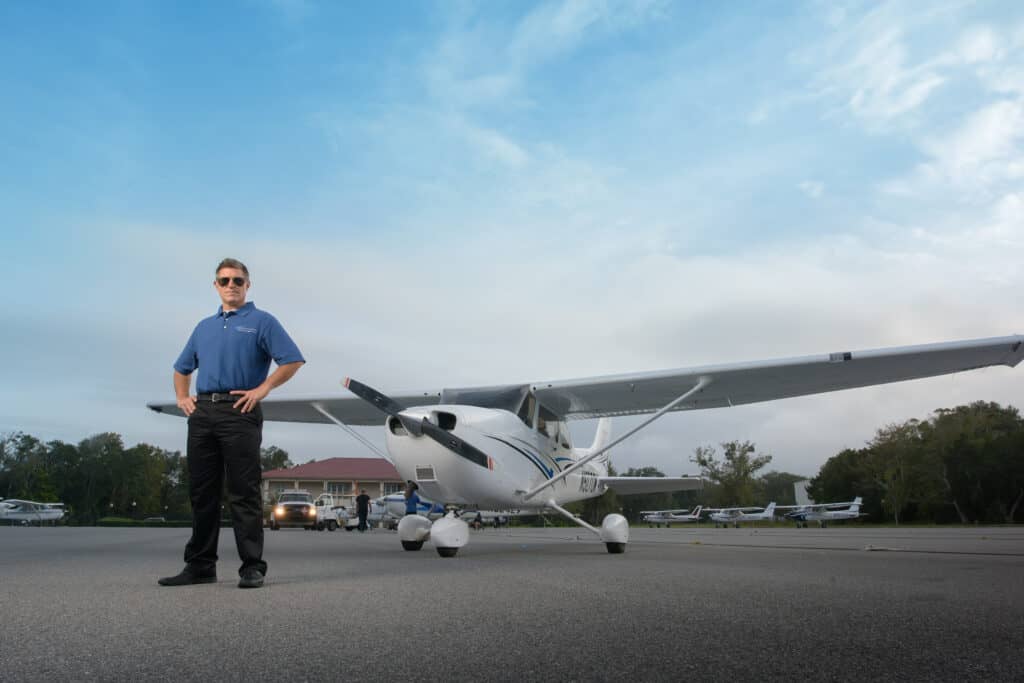
When choosing a flight school, several factors should be considered to ensure you receive the best education possible. Look for a school with a strong reputation in the aviation industry and high-quality instruction. The availability of modern training aircraft is also essential, as it allows you to train with the latest technology and equipment. Researching the school’s success rate in terms of student certifications and job placements can give you an idea of the quality of education and training you will receive.
Additionally, it’s important to make sure the flight school’s curriculum aligns with FAA requirements. The program should prepare you for all necessary certifications and ratings, including private pilot, instrument, and commercial pilot licenses. A well-rounded curriculum that includes ground school, flight training, and simulator sessions will equip you with the skills and knowledge needed to excel in your aviation career and eventually secure a position as an American Airlines pilot.
The flight training process is structured into several phases, each culminating in the acquisition of specific certifications and ratings. Here’s a detailed overview of the typical progression:
Student Pilot Certificate: The initial step in your flight training journey, the Student Pilot Certificate, introduces you to the basics of flying. During this phase, you’ll learn about aircraft systems, flight operations, and fundamental aeronautical knowledge. Your training will include basic maneuvers, takeoffs and landings, and emergency procedures, laying the groundwork for more advanced training.
Private Pilot Certificate: Upon completing the necessary training and passing the required exams, you’ll earn your Private Pilot Certificate. This certification allows you to fly for personal and recreational purposes. Training at this stage focuses on developing your skills in navigation, flight planning, and conducting cross-country flights. You’ll also learn to manage in-flight communications and handle various in-flight scenarios.
Instrument Rating: The Instrument Rating is an essential addition to your skills, enabling you to operate aircraft under Instrument Flight Rules (IFR). This certification allows you to fly in a wider range of weather conditions and navigate through clouds and low-visibility environments. Training involves intensive focus on instrument navigation, use of navigational aids, and advanced flight planning under IFR.
Commercial Pilot Certificate: With a Commercial Pilot Certificate, you’ll be qualified to fly for compensation or hire. This phase of training emphasizes advanced flight maneuvers, precision flying, and adhering to commercial flight regulations. You’ll also gain experience in handling more complex aircraft systems and operations, preparing you for various employment opportunities in the aviation industry.
Multi-Engine Rating: The Multi-Engine Rating is crucial for operating aircraft with more than one engine, a requirement for many commercial aviation positions. Training focuses on the unique challenges of multi-engine flight, including engine-out procedures, asymmetrical thrust management, and advanced aerodynamics.
Airline Transport Pilot (ATP) Certificate: The ATP Certificate is the highest level of pilot certification, required for those aspiring to become captains or first officers at major airlines like American Airlines. This certification demands extensive flight experience and advanced knowledge of airline operations, crew resource management, and high-altitude flight. Achieving this certification demonstrates your ability to command and operate large, complex aircraft safely and efficiently.
Throughout your flight training, you’ll accumulate a significant number of flight hours, both in the air and through simulated experiences. This hands-on experience is essential for developing the skills and confidence necessary to navigate the skies safely and efficiently, ultimately preparing you for a successful career in aviation.
Gaining flight experience and building hours is a critical step in pursuing an American Airlines jobs. While obtaining necessary certifications and ratings is essential, real-world experience is what truly prepares you for the demands of commercial aviation. Many aspiring pilots work as flight instructors, cargo pilots, or corporate pilots to accumulate the required flight hours. These roles offer valuable hands-on experience and help you refine your skills in various flying conditions and scenarios.
Participating in internships or mentorship programs offered by airlines or aviation organizations can also be highly beneficial. These opportunities provide a deeper understanding of the industry and expose you to the day-to-day operations of airline pilots. Internships and mentorships not only enhance your practical knowledge but also help you build professional relationships that can be advantageous when seeking employment.
Building a strong network within the aviation community is another crucial aspect of gaining flight experience. Attending aviation events, joining professional organizations, and connecting with industry professionals can open doors to future job opportunities. Networking can provide you with insights, advice, and recommendations that are invaluable as you navigate your career path toward becoming an American Airlines pilot.
Once you’ve met the educational and experience requirements, you can begin the application process for pilot positions at American Airlines. The airline typically posts job openings on its career website and through various aviation job boards.
To apply, you’ll need to submit a comprehensive application package, which may include:
It’s essential to carefully review the job posting and ensure that you meet all the specified requirements before submitting your application.
American Airlines has a rigorous pilot selection and hiring process designed to identify the most qualified and capable candidates. After reviewing your application, the airline may invite you to participate in various assessments and interviews.
These assessments may include:
Throughout the selection process, American Airlines places a strong emphasis on professionalism, teamwork, and a commitment to safety and customer service.
Starting a career with American Airlines is a thrilling and fulfilling adventure, especially for those seeking American Airline jobs as pilots. As a pilot, one of your key responsibilities is conducting detailed pre-flight inspections to ensure the aircraft is in top shape and ready for takeoff. This involves carefully checking all systems and equipment to guarantee a safe and smooth journey. Following strict safety protocols and aviation regulations is crucial, ensuring that every flight meets the highest safety standards.
Communication plays a vital role in your duties as an American Airlines pilot. You’ll need to work seamlessly with air traffic control, your flight crew, and ground personnel to ensure each flight runs smoothly and safely. Navigating the aircraft through various weather conditions and airspaces requires quick thinking and a solid understanding of aviation principles. Throughout the flight, you are responsible for the comfort and safety of passengers, making sure they have a pleasant and secure travel experience.
In addition to the technical aspects, maintaining accurate flight logs and documentation is an essential part of your job. This ensures that all flight details are recorded precisely for future reference and regulatory compliance. You’ll also participate in ongoing training and professional development programs to stay up-to-date with the latest advancements in aviation technology and best practices.
As a member of a highly skilled and dedicated team, you’ll play a crucial role in providing safe and efficient air travel for millions of passengers each year, making a significant impact on the aviation industry. Seeking American Airline jobs, especially as a pilot, opens the door to a world of opportunities and the chance to make a meaningful contribution to the world of aviation.
American Airlines offers a well-defined career path for pilots, with opportunities for advancement and professional growth. As you gain experience and seniority, you may have the chance to progress from first officer to captain positions, overseeing larger and more advanced aircraft.
Additionally, American Airlines provides opportunities for pilots to transition into management roles, such as chief pilots, flight operations managers, or training captains. These positions allow you to share your expertise and contribute to the airline’s overall operations and safety protocols.
Becoming an American Airlines pilot is a challenging yet rewarding journey. To increase your chances of success, consider the following tips:
Develop a strong academic foundation: Excelling in subjects like mathematics, physics, and aviation-related courses can provide a solid foundation for your future pilot training.
Seek out mentorship opportunities: Connect with experienced pilots or aviation professionals who can provide guidance, advice, and insights into the industry.
Maintain a clean record: American Airlines places a strong emphasis on integrity and professionalism. Maintain a clean driving record, avoid any legal issues, and demonstrate a commitment to ethical behavior.
Stay physically and mentally fit: Piloting an aircraft requires excellent physical and mental health. Prioritize regular exercise, a balanced diet, and stress management techniques.
Develop strong communication and leadership skills: As a pilot, you’ll need to communicate effectively with your crew, air traffic control, and passengers. Additionally, strong leadership skills are essential for making critical decisions in high-pressure situations.
Stay up-to-date with industry trends and regulations: The aviation industry is constantly evolving, with new technologies, regulations, and best practices emerging regularly. Stay informed and adapt to these changes to maintain a competitive edge.
Pursuing a career as an American Airlines pilot is a journey filled with challenges, dedication, and immense personal and professional growth. By following the steps outlined in this guide, you’ll be well-equipped to navigate the path to becoming a highly skilled and respected pilot for one of the world’s leading airlines.
Remember, the road to success may be long and demanding, but the rewards of soaring through the skies and contributing to the aviation industry are truly unparalleled. With determination, perseverance, and a passion for flight, you can achieve your dreams of becoming an American Airlines pilot.
If you’re ready to take the first step towards an exhilarating career as an American Airlines pilot, visit Florida Flyers Flight Academy today and explore our comprehensive aviation training programs. Our team of experienced instructors and industry professionals are dedicated to helping you develop the skills and knowledge necessary to soar to new heights. Don’t hesitate; the skies are waiting for you!
Contact the Florida Flyers Flight Academy Team today at (904) 209-3510 to learn more about the Private Pilot Ground School Course.