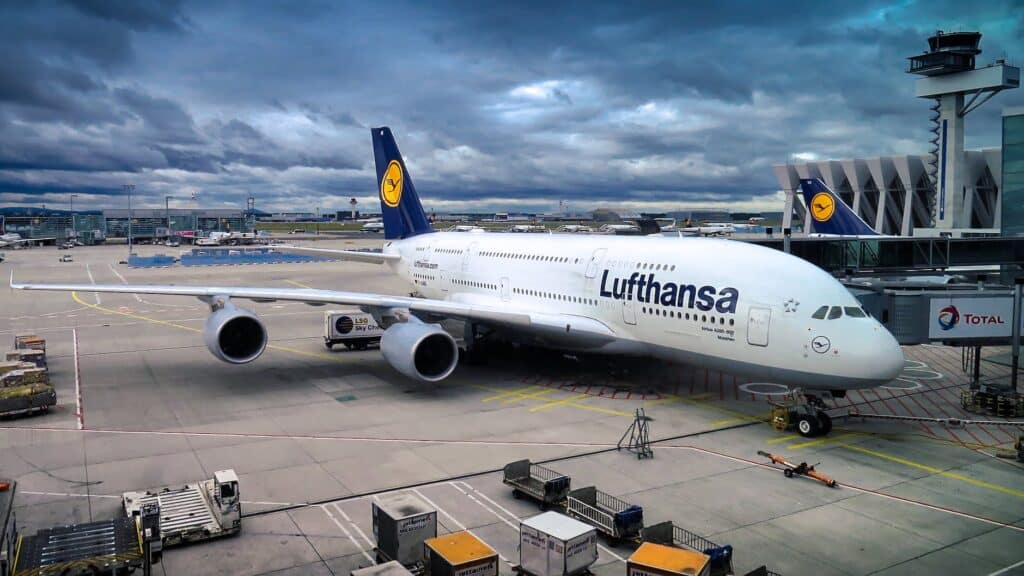

This comprehensive guide covers 2026 airline pilot pay from regional to major carriers. Learn salary ranges, benefits packages, and how the pilot shortage drives unprecedented compensation increases. Discover strategies to maximize earnings, upgrade timelines, and which airlines offer the highest pilot salaries industry-wide.
Table of Contents
Airline pilots command aircraft carrying passengers and cargo across global routes daily. Their compensation reflects the expertise, responsibility, and training required for this critical role. Understanding airline pilot pay helps aspiring aviators make informed career decisions and plan financially.
Multiple factors determine how much pilots earn throughout their aviation careers today. Airline type, aircraft size, experience level, and geographic location all influence compensation significantly. This guide breaks down salary structures, benefits packages, and current industry trends.
The ongoing pilot shortage has dramatically impacted airline pilot pay across all carriers. Regional and major airlines now compete aggressively for qualified pilots with signing bonuses. We’ll explore salary progression, benefits, and strategies to maximize your earning potential.
Factors Affecting 2026 Airline Pilot Pay
Pilot earnings are influenced by a range of variables, such as the type of airline, aircraft, route, pilot rank, and experience. Other factors include the pilot’s union agreements, geographical location, and even the economic climate. In this section, we will discuss these different variables and their impact on pilot compensation.
Type of Airline and Pay
Pilot salaries vary significantly between different airlines. Major carriers typically pay more than regional airlines or low-cost carriers, as they generally have larger aircraft, longer routes, and more established operations. However, with the growing demand for pilots, regional airlines are becoming more competitive in their compensation packages.
Aircraft Type and Route
The size and complexity of the aircraft a pilot flies play a significant role in determining their earnings. Pilots operating larger, long-haul aircraft like the Boeing 747 or Airbus A380 are generally paid more than those flying smaller, regional jets. Similarly, pilots flying international routes or challenging routes that require additional training and expertise can expect higher compensation.
Pilot Rank and Experience
A pilot’s rank, such as captain or first officer, is directly related to their experience and responsibilities. Captains, who have the most extensive experience and hold the highest authority on board, are paid more than first officers, who serve as second-in-command. Moreover, as pilots gain more experience and seniority within the airline, their earnings typically increase.
Union Agreements
Many airline pilots are members of labor unions, which negotiate contracts and agreements on their behalf. These agreements often include provisions for salary increases, benefits, and work rules. As a result, pilots working for airlines with strong union representation may receive higher compensation than those at non-unionized carriers.
Geographical Location
Pilot compensation can also be affected by the cost of living and economic conditions in the region where they are based. For example, pilots working in major metropolitan areas with a high cost of living may receive higher salaries than those based in smaller, more rural locations.
How Airline Pilot Salaries Are Calculated
Airline pilots are typically paid on an hourly basis for the actual hours flown, rather than receiving a fixed annual salary. The Federal Aviation Administration (FAA) mandates that airline pilots fly no more than 1,000 hours per year to ensure they remain well-rested and focused on their duties. In this section, we will explore the various elements that go into calculating a pilot’s salary.
Hourly Rate
A pilot’s hourly rate is determined by factors such as their rank, experience, and the type of aircraft they operate. Hourly rates generally increase as pilots gain more experience within the airline and as they transition to larger, more complex aircraft.
Annual Hours Flown
The number of hours flown by a pilot in a given year directly impacts their total compensation. While FAA regulations limit pilots to 1,000 hours per year, many airlines guarantee a minimum number of monthly or daily hours to ensure a stable income for their pilots.
Overtime and Additional Pay
Pilots may have the opportunity to earn additional income through overtime, working on their days off, or taking on extra flights. Overtime rates can range from 100-300% of a pilot’s standard hourly rate, depending on the airline’s policies and demand for pilots.
Benefits and Perks for Airline Pilots
Airline pilot pay represents just one component of total compensation pilots receive. Comprehensive benefits packages significantly enhance overall career value and quality of life. These perks often add $30,000-$50,000 equivalent value beyond base salary.
1. Health and Insurance
Medical, dental, and vision insurance covers pilots and immediate families comprehensively. Life insurance provides substantial death benefits at minimal or no cost. Disability insurance protects income if FAA medical certification is lost.
2. Retirement Plans
Airlines offer 401(k) plans with 8-16% company matching contributions annually. Legacy carriers maintain defined benefit pension plans for senior pilots. Profit-sharing programs distribute bonuses based on company performance.
3. Travel Benefits
Pilots and families fly free or at reduced rates on most routes. International privileges extend through airline partnerships and code-share agreements. Buddy passes allow sharing discounted travel with friends.
4. Scheduling Flexibility
Senior pilots bid for preferred routes, days off, and base assignments. Reserve schedules transition to line-holding positions with increased seniority. Swap systems allow schedule adjustments for personal needs.
5. Additional Perks
Per diem allowances compensate for meals during layovers tax-free. Hotels and ground transportation are provided for overnight trips. Union representation protects pilot rights and ensures fair airline pilot pay.
Pilot Salary Florida
Pilot Salary in Florida is based upon the home base of the airline pilots. Florida has some major hubs for airline pilots such as Orlando, Miami, Jacksonville, Daytona Beach, Tampa and Ft. Lauderdale. Florida Pilot Salary is similar to the national average pilot salary.
FAA Part 135 Airlines – First Officer pilot wage
| Name of Airline | Pilot Pay First Year | Pilot Pay Second Year | Year published |
|---|---|---|---|
| Cape Air | $27,199 | $41,399 | 2023 |
| Volato | $79,116 | $91,279 | 2023 |
| Boutique Air | $67,133 | $68,122 | 2023 |
| Martinair Aviation | $35,617 | $37,211 | 2023 |
| ACI Jet | $51,422 | $52,717 | 2023 |
| Speedbird | $52,924 | $57,329 | 2023 |
| Wheels Up | $49,224 | $55,422 | 2023 |
| Fly Exclusive | $42,316 | $51,229 | 2023 |
FAA Part 135 Airlines – Captain Wages
| Name of Airline | Pilot Pay First Year | Pilot Pay Second Year | Year published |
|---|---|---|---|
| Cape Air | $80,611 | $89,409 | 2023 |
| Volato | $126,701 | $149,244 | 2023 |
| Boutique Air | $82,311 | $84,754 | 2023 |
| Martinair Aviation | $62,827 | $69,344 | 2023 |
| ACI Jet | $89,644 | $91,985 | 2023 |
| Speedbird | $87,321 | $91,144 | 2023 |
| Wheels Up | $119,623 | $129,417 | 2023 |
| Fly Exclusive | $104,233 | $115,124 | 2023 |
Regional Airlines – First Officer wage
| Name of Airline | Pilot Pay First Year | Pilot Pay Second Year | Year published |
|---|---|---|---|
| Mesa Airlines | $100,114 | $123,211 | 2023 |
| Envoy Air | $93,514 | $99,854 | 2023 |
| GoJet | $92,054 | $101,982 | 2023 |
| Endeavour Air | $91,505 | $110,241 | 2023 |
| Piedmont | $89,151 | $99,621 | 2023 |
| Republic Airways | $82,101 | $89,744 | 2023 |
| SkyWest Airlines | $84,247 | $89,524 | 2023 |
Regional Airlines – Captain wages
| Name of Airline | Pilot Pay First Year | Pilot Pay Second Year | Year published |
|---|---|---|---|
| Mesa Airlines | $147,919 | $152,401 | 2023 |
| Envoy Air | $137,014 | $142,716 | 2023 |
| GoJet | $121,114 | $139,424 | 2023 |
| Endeavour Air | $121,740 | $124,641 | 2023 |
| Piedmont | $129,551 | $137,211 | 2023 |
| Republic Airways | $117,141 | $121,741 | 2023 |
| SkyWest Airlines | $131,704 | $142,271 | 2023 |
Major Airlines – First Officer wages
| Name of Airline | Pilot Pay First Year | Pilot Pay Second Year | Year published |
|---|---|---|---|
| United Airlines | $106,241 | $139,827 | 2023 |
| Delta Airlines | $111,324 | $174,321 | 2023 |
| American Airlines | $109,324 | $172,624 | 2023 |
| Southwest Airlines | $104,241 | $157,422 | 2023 |
| FedEx | $99,422 | $157,541 | 2023 |
| UPS | $89,324 | $147,322 | 2023 |
Major Airlines – Captain Wages
| Name of Airline | Pilot Pay First Year | Pilot Pay Second Year | Year published |
|---|---|---|---|
| United Airlines | $194,319 | $212,644 | 2023 |
| Delta Airlines | $192,440 | $244,127 | 2023 |
| American Airlines | $189,644 | $222,416 | 2023 |
| Southwest Airlines | $252,381 | $279,071 | 2023 |
| FedEx | $241,633 | $252,647 | 2023 |
| UPS | $277,923 | $292,109 | 2023 |
The Impact of the Pilot Shortage on Airline Pilot Pay
The pilot shortage has dramatically transformed airline pilot pay structures industry-wide. Airlines compete aggressively for qualified pilots, driving unprecedented salary increases. This supply-demand imbalance changed compensation strategies for all carriers.
Recent Changes:
- Signing bonuses to $100,000
- Salaries increased 30-50%
- Faster upgrade timelines
- Enhanced benefits
- Tuition reimbursement
- Retention bonuses
Regional airlines experienced the most dramatic airline pilot pay increases combating shortages. Starting salaries jumped from $30,000-$40,000 to $60,000-$80,000 within three years. Many carriers offer direct pathways to major airlines as incentives.
Major airlines raised compensation preventing experienced pilots from leaving for competitors. Legacy carriers implemented 20-40% pay increases through new union contracts. The shortage created a seller’s market where pilots negotiate strongly.
Projections indicate shortages persist through 2030 due to mandatory retirements. Airlines continue raising airline pilot pay attracting career changers and veterans. This trend benefits new and experienced pilots across carriers.
Steps to Increase Airline Pilot Earnings
Maximizing airline pilot pay requires strategic career planning and continuous professional development. Pilots who actively manage progression earn significantly more over lifetimes. These five strategies help optimize compensation and accelerate advancement.
1. Upgrade to Captain Quickly
Captain upgrades typically double annual earnings compared to first officer positions. Build flight hours efficiently and maintain excellent performance records for advancement. Study company upgrade requirements early and position yourself for available slots.
2. Target High-Paying Airlines
Major legacy carriers and cargo airlines offer the highest airline pilot pay. Research compensation packages before accepting positions and plan moves strategically. Military pilots often leverage experience for direct entry into top carriers.
3. Pursue Advanced Ratings
Type ratings on wide-body aircraft open access to premium international routes. Multi-engine and ATP certifications are prerequisites for higher-paying positions. Simulator instructor qualifications provide additional income while building teaching experience.
4. Maximize Per Diem and Premium Pay
Bid for routes with maximum overnight layovers to increase per diem. Accept premium pay during holidays, peak seasons, and irregular operations. Senior pilots choose schedules optimizing total compensation beyond base salary.
5. Negotiate Strategically
Join unions that negotiate strong contracts protecting compensation and benefits collectively. Understand contract provisions regarding pay rates, scheduling, and advancement thoroughly. Time career moves with favorable hiring markets and bonus offers.
Conclusion
Airline pilot pay has reached historic highs due to persistent pilot shortages and increased demand. Starting salaries now range from $60,000-$90,000 while senior captains earn $250,000-$400,000+ annually. Comprehensive benefits packages add substantial value beyond base salary figures alone.
Career success requires strategic planning, continuous professional development, and timing moves correctly. Upgrading to captain, targeting high-paying carriers, and maximizing per diem increase lifetime earnings. Advanced ratings and union membership protect compensation and accelerate career advancement.
The pilot shortage ensures strong airline pilot pay growth will continue through 2030. Airlines compete aggressively for qualified pilots with signing bonuses and retention incentives. For aspiring aviators, now represents an optimal time to pursue this rewarding career.
Frequently Asked Questions About Airline Pilot Pay
What is the average airline pilot pay in 2026?
The average airline pilot pay ranges from $148,000-$226,000 annually depending on experience and carrier. Regional airline pilots earn $60,000-$120,000 while major airline pilots make $150,000-$400,000+. Total compensation includes base salary, per diem, bonuses, and profit-sharing distributions.
How much do first-year airline pilots make?
First-year regional airline pilots earn approximately $60,000-$80,000 in base salary currently. Major airline first officers start between $90,000-$120,000 depending on the carrier. Signing bonuses of $10,000-$50,000 are common at many airlines today.
How long does it take to become a captain?
Regional airlines typically upgrade pilots to captain within 2-4 years of service. Major airlines require 5-8 years before captain upgrade opportunities become available. Upgrade timing depends on airline growth, retirements, and individual seniority numbers.
Do airline pilots get paid when not flying?
Airlines guarantee minimum monthly pay typically 70-75 hours regardless of actual flight time. Pilots receive per diem allowances for every hour away from base. Ground training, simulator sessions, and reserve duty all count toward guaranteed pay.
Which airlines pay pilots the most?
FedEx, UPS, Delta, United, and American offer the highest airline pilot pay scales. Senior wide-body captains at these carriers earn $300,000-$400,000+ in base salary. Cargo carriers often match or exceed passenger airline compensation with better schedules.
How does airline pilot pay increase over time?
Airline pilot pay increases annually through contractual step raises based on years of service. Captain upgrades typically double earnings compared to first officer positions immediately. Transitioning from regional to major airlines can triple annual compensation.
Contact us or call the Florida Flyers Admissions Team at +1 904 209 3510