

How Many Flying Lessons Does It Take to Become a Pilot?
Flying lessons in the USA promise a clear path from discovery flights to airline cockpits, yet flight schools avoid discussing timeline and cost realities separating marketing from completion rates. Most schools advertise private pilot training starting around $10,000, omitting that airline minimums require $80,000 to $150,000 and 18 to 30 months continuous training.
The attrition rate reveals the truth. Roughly 40% of students beginning flying lessons in the USA never earn basic private pilot certificates because unexpected costs and extended timelines exhaust budgets and motivation simultaneously.
This breakdown shows what flying lessons in the USA actually cost at each certification stage, realistic timelines from zero experience to airline employment, and why completion rates remain low despite unprecedented pilot demand guaranteeing jobs for those who finish training.
What Are Flying Lessons in the USA?
Flying lessons in the USA are structured training programs where certified flight instructors teach students aircraft operation, navigation, and aeronautical decision making leading to FAA pilot certificates. These lessons combine ground instruction covering aviation theory with actual flight time where students manipulate aircraft controls under instructor supervision.
The Federal Aviation Administration regulates all flying lessons in the USA through Part 61 and Part 141 certification standards. Flight schools must meet specific requirements regarding instructor qualifications, aircraft maintenance, and curriculum structure depending on their operating certificate type.
Each lesson typically lasts two to three hours including preflight briefing, flight time, and post flight debriefing. Students pay hourly rates for both aircraft rental and instructor time, with costs varying based on aircraft type and school location across different USA regions.
Flying lessons in the USA progress systematically from basic aircraft control through complex navigation and emergency procedures. Students advance through defined milestones including first solo flight, cross country navigation, and night operations before attempting FAA practical examinations.
The training culminates in checkrides where FAA designated examiners evaluate student competency through oral questioning and flight demonstrations proving proficiency meeting federal safety standards for pilot certification.
Types of Flying Lessons Available in the USA
Flying lessons in the USA cater to different goals ranging from recreational hobbyists seeking weekend flying privileges to career focused students pursuing airline transport pilot certificates requiring extensive training investment.
Available lesson types:
- Discovery flights for first time experience
- Private pilot certificate training
- Instrument rating courses
- Commercial pilot certification
- Multi engine rating
- Certified flight instructor training
- Airline transport pilot preparation
- Tailwheel endorsements
- Seaplane ratings
- Aerobatic training
Discovery flights provide introductory experiences where prospective students control aircraft briefly under instructor guidance, typically costing $150 to $250 per session. These flights help determine interest before committing to full training programs requiring substantial time and financial investment.
Career track flying lessons in the USA follow sequential certification paths from private through commercial and instructor ratings. Students accumulate required flight hours while building skills necessary for professional aviation employment at regional and major airlines.
Specialized ratings like seaplane or tailwheel endorsements offer recreational pilots additional capabilities beyond standard training. These supplemental flying lessons in the USA typically require five to ten hours instruction mastering unique aircraft handling characteristics.
Cost Breakdown: Flying Lessons in the USA by Certificate Level
Flying lessons in the USA costs escalate significantly as students progress from basic private pilot certificates through professional airline transport pilot qualifications, with each certification stage requiring specific flight hours and specialized instruction.
| Certificate Level | Flight Hours Required | Ground Instruction | Aircraft Rental Cost | Instructor Fees | Total Cost Range |
|---|---|---|---|---|---|
| Private Pilot License | 60-70 hours | 20-30 hours | $9,000-$12,600 | $3,600-$5,600 | $15,000-$25,000 |
| Instrument Rating | 40-50 hours | 15-25 hours | $6,000-$9,000 | $2,400-$4,000 | $10,000-$15,000 |
| Commercial Pilot | 250 total hours* | 10-20 hours | $18,000-$30,000 | $1,500-$3,000 | $25,000-$40,000 |
| Multi-Engine Rating | 10-15 hours | 5-10 hours | $3,500-$6,000 | $600-$1,200 | $5,000-$8,000 |
| Flight Instructor (CFI) | 15-25 hours | 30-40 hours | $2,250-$4,500 | $2,400-$4,000 | $6,000-$10,000 |
| Zero to Airline Ready | 1,500 total hours | 80-120 hours | – | – | $80,000-$150,000 |
Commercial requires 250 total hours but most students have 150-180 hours after instrument rating, requiring additional time building
These flying lessons in the USA costs reflect aircraft rental at $150-$180 hourly for single engine trainers and $350-$400 for multi engine aircraft. Glass cockpit equipped planes command $20-$30 premiums over traditional instrumentation. Students should budget additional 20% beyond advertised minimums because most require extra hours beyond FAA requirements before achieving checkride proficiency standards.
How Long Does Flight Training Take?
Flying lessons in the USA timelines vary dramatically based on training frequency, with full time students completing certifications in months while part time pilots extend training across years due to scheduling constraints and skill degradation between lessons.
Private pilot certificates require three to four months for full time students flying five days weekly. This intensive schedule maintains proficiency between lessons, eliminating wasted time reviewing previously mastered skills and accelerating progression through required maneuvers efficiently.
Part time students flying once or twice weekly extend private pilot timelines to eight to twelve months. Weekend only schedules create five to seven day gaps where muscle memory deteriorates, requiring review sessions before advancing to new material during flying lessons in the USA.
Complete zero to airline ready training spans 18 to 24 months for accelerated full time students versus 36 to 48 months for part time pilots balancing work obligations. Weather delays add weeks or months particularly in northern states experiencing winter shutdowns.
Instrument ratings add two to six months depending on training frequency. Commercial certificates require building total time to 250 hours through independent practice after instrument completion, extending timelines based on available aircraft rental budgets.
How Long Does Flight Training Take?
Flying lessons in the USA timelines vary dramatically based on training frequency, with full time students completing certifications in months while part time pilots extend training across years due to scheduling constraints and skill degradation between lessons.
Private pilot certificates require three to four months for full time students flying five days weekly. This intensive schedule maintains proficiency between lessons, eliminating wasted time reviewing previously mastered skills and accelerating progression through required maneuvers efficiently.
Part time students flying once or twice weekly extend private pilot timelines to eight to twelve months. Weekend only schedules create five to seven day gaps where muscle memory deteriorates, requiring review sessions before advancing to new material during flying lessons in the USA.
Complete zero to airline ready training spans 18 to 24 months for accelerated full time students versus 36 to 48 months for part time pilots balancing work obligations. Weather delays add weeks or months particularly in northern states experiencing winter shutdowns.
Instrument ratings add two to six months depending on training frequency. Commercial certificates require building total time to 250 hours through independent practice after instrument completion, extending timelines based on available aircraft rental budgets.
Choosing the Right Flight School in the USA
Selecting where to complete flying lessons in the USA determines total costs, training quality, timeline, and future employment prospects more than most students recognize before committing to specific programs offering dramatically different advantages.
Verify Part 141 or Part 61 Certification Status
Part 141 schools operate under FAA approved structured curriculums reducing required flight hours for certificates. These programs demand consistent training schedules but offer faster completion timelines. Part 61 schools provide flexible scheduling without mandatory lesson sequences, better accommodating working students but requiring more total hours for flying lessons in the USA certification.
Evaluate Aircraft Fleet Age and Avionics
Modern glass cockpit aircraft prepare students for airline environments but cost $20 to $30 more hourly than steam gauge trainers. Newer fleets mean better dispatch reliability with less maintenance downtime interrupting training schedules. Older aircraft reduce hourly costs but frequent mechanical issues delay progress.
Research Instructor Quality and Turnover Rates
High instructor turnover forces students through multiple teaching styles requiring repeated familiarization. Stable programs maintain consistency accelerating learning. Request average instructor tenure and checkride pass rates indicating instruction effectiveness before selecting flying lessons in the USA providers.
Consider Location Weather Patterns
Year round training availability in Florida, Arizona, and California accelerates completion versus northern schools experiencing winter shutdowns. Consistent weather eliminates skill degradation from extended gaps between lessons, reducing total training costs despite potentially higher living expenses.
Investigate Airline Partnerships
Schools with carrier agreements provide preferential interviews and guaranteed flow through programs for graduates. These connections significantly impact employment timelines after completing flying lessons in the USA, particularly for students targeting specific airlines.
Part 141 vs Part 61: Which Training Path Is Better?
Flying lessons in the USA follow two distinct FAA regulatory frameworks creating fundamentally different training experiences affecting costs, timelines, and student flexibility based on individual circumstances and learning preferences.
| Factor | Part 141 Schools | Part 61 Schools |
|---|---|---|
| Structure | FAA approved curriculum, rigid syllabus | Flexible lesson plans, customized pacing |
| Flight Hours (PPL) | 35 hours minimum | 40 hours minimum |
| Training Schedule | Consistent, scheduled progression | Flexible, student determined |
| Total Cost | Lower due to reduced hours | Higher due to additional hours required |
| Best For | Full-time students, structured learners | Part-time students, working professionals |
| Completion Timeline | Faster with consistent schedule | Longer but accommodates life demands |
| Quality Control | FAA audited, standardized training | Varies by instructor, school standards |
Part 141 flying lessons in the USA reduce required hours by five to ten per certificate through systematic curriculum progression. This structure saves $1,500 to $2,000 on private certificates alone, compounding across advanced ratings to $8,000 total savings for career pilots.
Part 61 flexibility benefits students with unpredictable work schedules or family obligations preventing consistent training attendance. The additional required hours cost more but completion beats abandoning training entirely when rigid Part 141 schedules prove impossible to maintain throughout certification.
From Private Pilot to Airline Pilot: The Complete Path
Flying lessons in the USA progress through sequential certifications building skills and flight hours meeting airline hiring minimums, with each stage requiring specific competencies before advancement to more complex training levels.
Stage 1: Private Pilot License (0 to 70 hours, 3-12 months)
Students learn basic aircraft control, navigation, and safety procedures. Training covers takeoffs, landings, emergency procedures, and cross country flights. This foundation certificate allows flying for personal transportation but prohibits compensation for pilot services.
Stage 2: Instrument Rating (70 to 120 hours, 2-6 months)
Pilots develop skills for flying in clouds and poor visibility using only cockpit instruments. This rating significantly improves safety and is mandatory for commercial operations. Training includes 40 hours simulated or actual instrument conditions.
Stage 3: Commercial Pilot Certificate (120 to 250 hours, 6-18 months)
Students build time to 250 hour minimums through independent practice and advanced maneuver training. This certificate permits flying for compensation, opening flight instruction and charter opportunities. Flying lessons in the USA commercial training emphasizes precision flying and complex aircraft operations.
Stage 4: Certified Flight Instructor (250 to 275 hours, 1-3 months)
Most pilots earn instructor certificates building the remaining 1,250 hours airlines require. Teaching others reinforces personal skills while earning income offsetting time building costs. This stage typically lasts 12 to 18 months of active instruction.
Stage 5: Airline Transport Pilot & Hiring (1,500+ hours, varies)
After accumulating required hours, pilots apply to regional airlines beginning professional careers. ATP certification represents the highest pilot certificate, earned through written exams and airline training programs after hiring rather than independent flying lessons in the USA beforehand.
Florida Flyers Flight Academy: Professional Flight Training in the USA
Florida Flyers Flight Academy delivers professional flying lessons in the USA through Part 141 certified programs reducing required flight hours and accelerating completion timelines compared to unstructured Part 61 alternatives available at competing schools.
Our Florida location provides year round training availability eliminating winter weather delays that plague northern flight schools. Students maintain consistent schedules without seasonal interruptions causing skill degradation requiring expensive review sessions before advancing to new material.
Modern Tecnam P-Mentor aircraft equipped with Garmin glass cockpit avionics prepare students for airline environments from initial training. Experienced instructors provide structured progression through private, instrument, commercial, and instructor certificates following proven curriculum producing airline ready pilots.
Transparent pricing eliminates surprise costs derailing student budgets mid training. Florida Flyers offers complete flying lessons in the USA from zero experience through airline employment readiness with fixed program costs and flexible financing options.
Conclusion
Flying lessons in the USA represent substantial financial and time commitments requiring realistic expectations about costs exceeding $100,000 and timelines spanning 18 to 36 months from zero experience to airline employment eligibility.
The 40% attrition rate among student pilots reflects inadequate preparation for true costs and extended training durations flight schools minimize during enrollment marketing. Those completing training face guaranteed airline employment with six figure compensation justifying initial investments.
Success demands consistent training schedules preventing skill degradation, adequate financial reserves covering unexpected expenses, and commitment persisting through challenging checkride preparation. Choose Part 141 schools in favorable weather locations maximizing completion probability.
Stop researching and start flying. Discovery flights cost under $200 and reveal whether aviation careers match expectations.
Frequently Asked Questions About Flying Lessons In The USA
How much do flying lessons cost in the USA?
Flying lessons in the USA cost $160 to $240 per hour including aircraft rental and instructor fees. Complete private pilot training totals $10,000 to $15,000 for most students requiring 60 to 70 flight hours.
How long does it take to get a pilot license?
Flying lessons in the USA timelines range from 3 to 12 months for private pilot certificates depending on training frequency. Full time students complete training in 3 to 4 months while part time pilots extend timelines to 8 to 12 months.
Can I take flying lessons without prior experience?
Yes, flying lessons in the USA accept complete beginners with zero experience. Discovery flights costing $150 to $250 introduce prospective students to basic aircraft control before committing to full training programs.
What is the difference between Part 141 and Part 61 flight schools?
Part 141 flying lessons in the USA follow FAA approved curriculums requiring 35 hours minimum versus Part 61’s 40 hour requirement. Part 141 offers structured schedules while Part 61 provides flexible training accommodating work obligations.
Do I need a college degree to take flying lessons?
No degree required for flying lessons in the USA or FAA pilot certificates. Airlines prefer bachelor degrees for employment but flight training has no educational prerequisites beyond English proficiency.
How often should I schedule flying lessons?
Flying lessons in the USA work best scheduled 2 to 3 times weekly maintaining skill proficiency between sessions. Weekly or bi weekly schedules extend training timelines and increase costs through skill degradation.
Are flying lessons in the USA cheaper than other countries?
Yes, flying lessons in the USA typically cost less than Europe or Australia due to unrestricted airspace, abundant flight schools, and aircraft availability. International students save money training in America despite travel expenses.
Contact the Florida Flyers Flight Academy Team today at (904) 209-3510 to learn more about how to transfer flight schools.

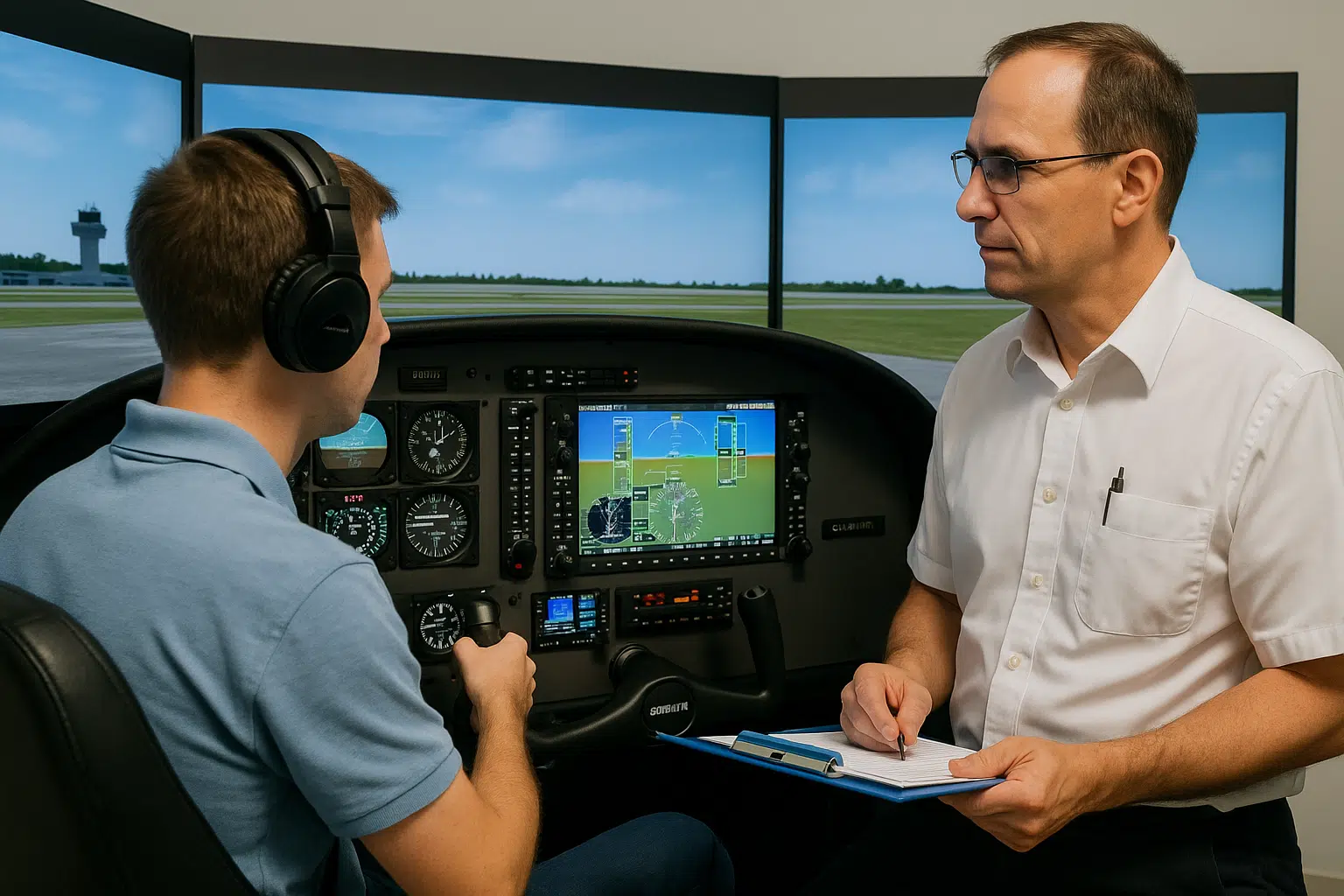
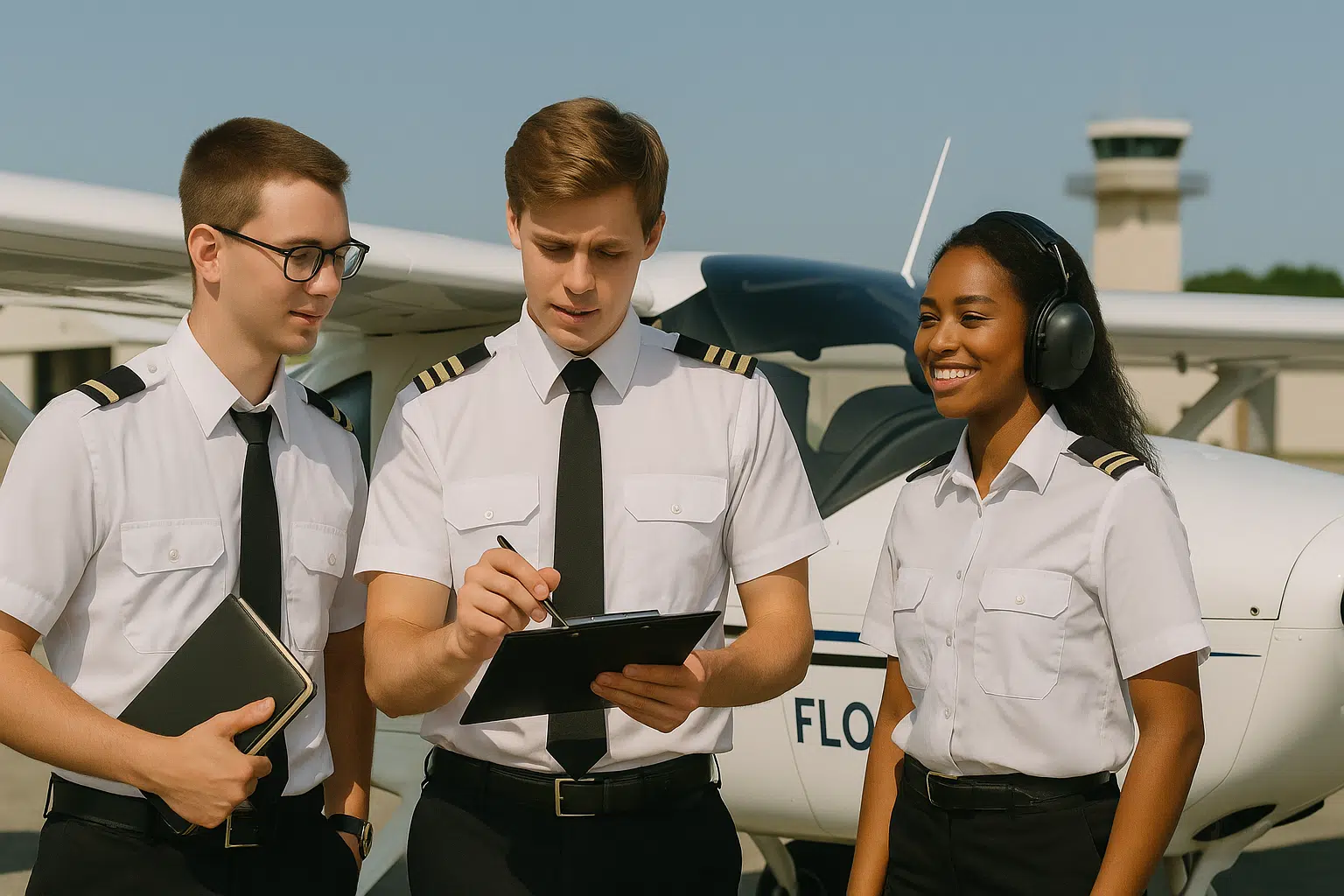
Table of Contents
Contact the Florida Flyers Flight Academy Team today at (904) 209-3510 to learn more about how the top pilot schools in usa can help you achieve your aviation dreams.
