

What is Self-Examining Authority?
The 35 Hours Instrument Rating has become one of the most talked about training options for pilots. For decades, instrument training has been known to drag on for 40 to 50+ hours, often costing more time and money than students expect.
Now, a faster path is changing that picture. With new FAA approved structures and special training authority, pilots can complete this critical step in less time than ever before.
But what makes the 35 hour program different from traditional routes? And how does self examining authority reshape the way check rides are done?
This guide breaks down everything you need to know, from the FAA approval behind it to the unique advantages offered at Florida Flyers Flight Academy.
What is Self Examining Authority?
To proceed it is important we first talk about self examining authority. This special FAA approval allows certain flight schools to conduct their own checkrides instead of relying on external examiners.
In most training programs, students must wait for a Designated Pilot Examiner to be available, which often creates long delays and scheduling challenges. With self examining authority, the process is faster because the flight school itself is authorized to oversee and complete the checkride.
At Florida Flyers, this makes a big difference. Students in the 35 Hours Instrument Rating program can complete their training and certification entirely within the academy, without facing bottlenecks or uncertainty about when the checkride will take place.
This advantage is rare among flight schools, and it is one of the main reasons the 35 hour instrument rating is considered the most efficient pathway to earning an instrument rating in the USA.
What is an Instrument Rating and Why is it Important?
An instrument rating is one of the most valuable steps a pilot can take after earning a private pilot license. It allows pilots to fly under Instrument Flight Rules, which means they can operate safely in low visibility, clouds, and other challenging weather conditions.
Without this rating, pilots are limited to visual flight rules, restricting when and where they can fly. For anyone who plans to pursue a career in aviation, the instrument rating is not optional, it is essential.
Most training programs require 40 to 50 or more hours to complete the rating, which often makes the process time consuming and expensive. The 35 Hours Instrument Rating changes this by offering a shorter, FAA approved pathway while still meeting all of the same safety and knowledge standards.
For pilots who want to move forward quickly and efficiently, the instrument rating is the gateway to professional flying and the step that opens the door to advanced licenses and airline opportunities.
The 35 Hours Instrument Rating Program at Florida Flyers
The 35 Hours Instrument Rating program at Florida Flyers is built under FAA Part 141 approval, which makes the shorter training time possible. While most schools require students to complete 40 to 50 or more hours, this program achieves the same certification in the FAA minimum of 35 hours.
The training follows a structured syllabus that ensures every hour is purposeful. Students progress step by step through ground lessons, simulator practice, and flight training designed specifically for instrument proficiency. Nothing is wasted, and every stage prepares the student for the final checkride.
What makes this program even more unique is the FAA self examining authority held by Florida Flyers. This means the checkride is conducted in house, saving time and removing the delays often caused by waiting for external examiners.
For ambitious pilots, whether domestic or international, the program offers the fastest and most efficient path to instrument privileges, while still holding to the high standards expected by the FAA.
Key Benefits of the 35 Hour Program
Choosing the 35 Hours Instrument Rating is not just about finishing faster. The real value comes from the unique advantages that make this program stand out from traditional training paths. From cost savings to efficiency and global accessibility, the benefits go beyond the hours in the logbook.

Main Benefits:
- Faster certification timeline
- Lower training costs
- In house FAA checkrides
- Structured FAA Part 141 syllabus
- International student accessibility
Completing the program in just 35 hours means students reach certification sooner. Instead of stretching out training for weeks or months, they can finish quickly and move forward to commercial training or airline preparation.
Lower training costs are another important factor. With fewer hours required, students save on tuition, instructor fees, and fuel, while still earning the same FAA approved instrument rating.
The ability to take in house FAA checkrides eliminates one of the most common delays in pilot training. At Florida Flyers, students know their check ride is available when they are ready, not months later.
The structured FAA Part 141 syllabus ensures that every flight hour builds toward mastery. This approach makes the program both efficient and reliable.
Finally, the program is designed with international students in mind. Florida Flyers provides support with visas, housing, and orientation, making the 35 Hours Instrument Rating accessible to students worldwide.
Admission Requirements for the 35 Hour Program
Before starting the 35 Hours Instrument Rating, students must meet specific FAA requirements. These standards ensure every pilot entering the program is prepared for both the academic and practical challenges of instrument training.

Requirements:
- Valid Private Pilot License (PPL)
- FAA medical certificate
- English language proficiency
- Valid ID or passport
A Private Pilot License is required before enrolling in the program. This ensures that students already have a solid foundation of flight skills to build on.
A valid FAA medical certificate is also necessary. Most students use a Class 3 certificate, which confirms they are physically fit to fly under instrument conditions.
English proficiency is essential because it is the international language of aviation. Pilots must be able to communicate clearly with instructors, controllers, and examiners.
Finally, students must provide proper identification. U.S. citizens can present a government issued ID, while international students use a passport along with the required visa documents for study.
Cost of the 35 Hour Instrument Rating
Understanding the cost of training is one of the most important steps when planning for an instrument rating. The 35 Hours Instrument Rating program offers a faster pathway that not only saves time but also reduces overall expenses compared to traditional programs.
Estimated Costs – 35 Hours vs Traditional Instrument Rating
| Expense Category | 35 Hours Instrument Rating (Part 141) | Traditional Instrument Rating (40–50+ hrs) |
|---|---|---|
| Flight Training (hours) | $10,000 – $13,500 | $13,500 – $18,000+ |
| Ground School & Materials | $1,500 – $2,000 | $1,500 – $2,000 |
| FAA Written & Check Ride | $800 – $1,200 | $800 – $1,200 |
| Medical Certificate | $150 – $200 | $150 – $200 |
| Total Estimated Cost | $12,450 – $16,900 | $15,950 – $21,400+ |
The savings are clear. By reducing training hours, students cut tuition, fuel, and instructor costs while still meeting FAA standards. While exact expenses vary, the 35 Hours Instrument Rating consistently provides a faster and more affordable route compared to traditional training programs.
Training Process – Step by Step
The 35 Hours Instrument Rating program is structured to make every stage of training efficient and purposeful. Florida Flyers uses an FAA Part 141 syllabus that ensures students move through each requirement in a clear order without wasting valuable time.
Step 1. Ground School Instruction
Training begins with classroom lessons focused on IFR theory, navigation, weather, regulations, and aircraft systems. This knowledge is the foundation for everything that follows and prepares students for both the FAA written test and practical training.
Step 2. Simulator Training Sessions
Before entering the cockpit, students practice procedures in a simulator. This stage allows them to build confidence while learning approaches, holding patterns, and emergency procedures in a safe, cost effective environment.
Step 3. Flight Training Hours
With the basics in place, students log their required flight hours under the guidance of an FAA certified instructor. Every lesson is designed to reinforce IFR flying skills, from cross country flights to instrument approaches and real world decision making.
Step 4. FAA In House CheckRide
The program concludes with the check ride. Thanks to self examining authority, Florida Flyers conducts this step in house. Students avoid the long wait times of external examiners and complete their certification quickly and smoothly.
This step by step process ensures that the 35 Hours Instrument Rating is not only the fastest path but also one of the most structured and reliable ways to earn an advanced pilot qualification.
Why Choose Florida Flyers Flight Academy?
Not every flight school can offer the 35 Hours Instrument Rating. Florida Flyers stands out because it combines FAA Part 141 approval with self examining authority, a rare combination that allows faster, more efficient certification.
Students benefit from training in Florida’s year round flying weather, which minimizes weather related delays and keeps progress on schedule. The academy operates a modern fleet of well maintained aircraft, supported by highly experienced FAA certified instructors who focus on both safety and performance.
Another key advantage is the ability to complete checkrides in house. With self examining authority, Florida Flyers eliminates the common bottleneck of waiting for external examiners. This gives students a seamless training and testing experience from start to finish.
For international students, the academy offers additional support, including visa guidance, housing assistance, and a welcoming community that makes relocation easier. Combined with its accelerated programs, Florida Flyers provides a training environment designed for success at every level.
Florida Flyers vs Other Instrument Rating Programs
When comparing flight schools, the difference between Florida Flyers and traditional programs becomes clear. The 35 Hours Instrument Rating is not just about meeting FAA requirements but about finishing training faster, with fewer delays, and at a lower overall cost.
Comparison: Florida Flyers vs Other Schools
| Feature | Florida Flyers (35 Hours Instrument Rating) | Typical Flight School (40–50+ hrs) |
|---|---|---|
| Minimum Flight Hours | 35 (FAA Part 141 approved) | 40–50+ (Part 61 or Part 141) |
| FAA Check Ride | In house with self examining authority | External examiner, long wait times |
| Program Duration | Faster completion with no scheduling delays | Slower, often delayed by examiner availability |
| Training Costs | Lower overall due to reduced hours | Higher due to extra flight time |
| International Student Support | Visa, housing, orientation support | Limited or not offered |
Florida Flyers provides a rare combination of accelerated training and FAA self examining authority. While other schools may require more hours, higher tuition, and longer wait times, Florida Flyers delivers the same FAA approved certification with greater efficiency and student support.
Conclusion
The 35 Hours Instrument Rating is the most efficient way for pilots to advance their skills and prepare for professional aviation. Florida Flyers makes this possible through FAA Part 141 approval and self examining authority, giving students the advantage of in house check rides with no delays.
By reducing training hours while maintaining strict FAA standards, the program saves both time and money. With experienced instructors, modern aircraft, and year round flying weather, Florida Flyers offers a training environment built for success.
Whether you are a domestic pilot looking to advance quickly or an international student seeking an accelerated program in the USA, the 35 hour instrument rating provides the fastest pathway to achieving your goals.
Take the next step today. Apply to Florida Flyers Flight Academy and earn your instrument rating with speed, confidence, and FAA approved efficiency.
Frequently Asked Questions
Can you really earn an instrument rating in 35 hours?
Yes. Under FAA Part 141 approval, Florida Flyers offers the 35 Hours Instrument Rating program. This is the FAA minimum when training is completed through a structured syllabus at an approved school.
What is FAA self examining authority?
It is a special FAA approval that allows a flight school to conduct its own check rides. With self examining authority, Florida Flyers provides in house check rides, eliminating the delays caused by waiting for external examiners.
How much does the 35 Hours Instrument Rating cost?
On average, students spend between $12,450 and $16,900 for the complete program, including training, ground school, exams, and medical requirements. This is more affordable compared to traditional programs that often exceed $20,000.
What are the requirements for this program?
Students must hold a Private Pilot License, obtain at least a Class 3 FAA medical certificate, demonstrate English proficiency, and present a valid ID or passport.
Why are in house check rides an advantage?
In house check rides remove the scheduling bottlenecks associated with outside examiners. This means students complete training and certification without unnecessary waiting periods.
Is the 35 Hours Instrument Rating FAA approved?
Yes. The program is fully FAA Part 141 approved, which is why it qualifies for the 35 hour minimum training requirement.
How long does it take to finish the program?
Most students complete the 35 Hours Instrument Rating in a few weeks to a few months, depending on personal pace, weather conditions, and scheduling.
Can international students enroll?
Yes. Florida Flyers welcomes international students and provides visa assistance, housing options, and orientation support to make the transition smooth and successful.
Contact the Florida Flyers Flight Academy Team today at (904) 209-3510 to learn more about how to transfer flight schools.

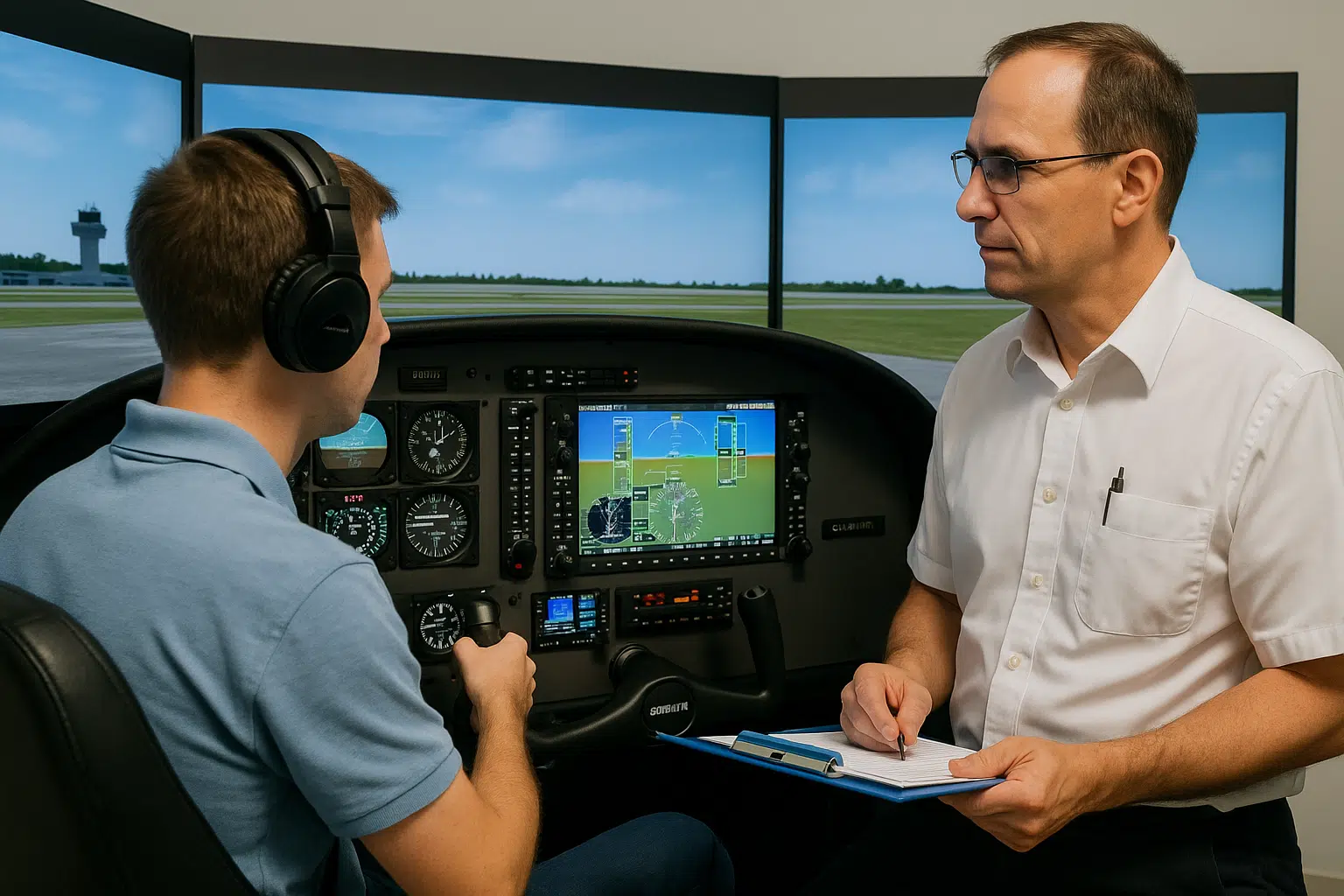
Table of Contents
Contact the Florida Flyers Flight Academy Team today at (904) 209-3510 to learn more about how the top pilot schools in usa can help you achieve your aviation dreams.
