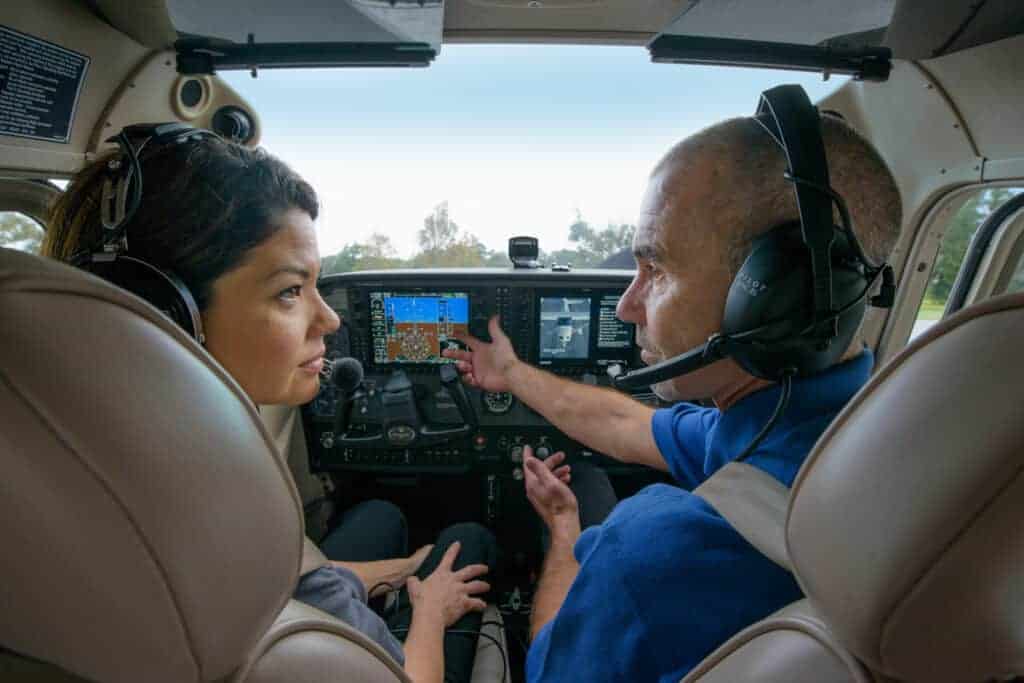
Navigating the Skies: A Comprehensive Look at the Airlines Pilot Salary in the US
As a professional airline pilot, I know firsthand the importance of understanding the potential earnings and requirements of this career path. In this comprehensive guide, I will provide you with a detailed breakdown of the airlines pilot salary in the United States, including the factors that affect pilot salary, pilot requirements and qualifications, an overview of airline pilot jobs, and specific information on American Airlines pilot application process, Air America Flight Center and pilot training, and other pilot job opportunities in the US.
Introduction to the airline pilot salary
Being an airline pilot is a dream job for many people who are passionate about aviation. But what is the average pilot salary or average commercial pilot salary? As a pilot, you get to travel the world, experience different cultures, and fly some of the most advanced aircraft in the world. However, being an airline pilot is not just a job, it’s a career. It requires a high level of professionalism, responsibility, and dedication.
Airlines pilot salary breakdown
According to the Bureau of Labor Statistics (BLS), the median annual wage for airline and commercial pilots as well as average salary of a pilot in the United States was $147,220 as of May 2020. The lowest 10 percent earned less than $68,020, and the highest 10 percent earned more than $208,000. However, this is just a rough estimate, and the actual salary can vary greatly depending on various factors. First officer pilot salary might be different.
FAA Part 135 Airline pilot salary – First Officer
| Name of Airline | Pilot Pay First Year | Pilot Pay Second Year | Year published |
|---|---|---|---|
| Cape Air | $27,199 | $41,399 | 2023 |
| Volato | $79,116 | $91,279 | 2023 |
| Boutique Air | $67,133 | $68,122 | 2023 |
| Martinair Aviation | $35,617 | $37,211 | 2023 |
| ACI Jet | $51,422 | $52,717 | 2023 |
| Speedbird | $52,924 | $57,329 | 2023 |
| Wheels Up | $49,224 | $55,422 | 2023 |
| Fly Exclusive | $42,316 | $51,229 | 2023 |
FAA Part 135 Airline pilot salary – Captain
| Name of Airline | Pilot Pay First Year | Pilot Pay Second Year | Year published |
|---|---|---|---|
| Cape Air | $80,611 | $89,409 | 2023 |
| Volato | $126,701 | $149,244 | 2023 |
| Boutique Air | $82,311 | $84,754 | 2023 |
| Martinair Aviation | $62,827 | $69,344 | 2023 |
| ACI Jet | $89,644 | $91,985 | 2023 |
| Speedbird | $87,321 | $91,144 | 2023 |
| Wheels Up | $119,623 | $129,417 | 2023 |
| Fly Exclusive | $104,233 | $115,124 | 2023 |
Regional Airline pilot salary – First Officer
| Name of Airline | Pilot Pay First Year | Pilot Pay Second Year | Year published |
|---|---|---|---|
| Mesa Airlines | $100,114 | $123,211 | 2023 |
| Envoy Air | $93,514 | $99,854 | 2023 |
| GoJet | $92,054 | $101,982 | 2023 |
| Endeavour Air | $91,505 | $110,241 | 2023 |
| Piedmont | $89,151 | $99,621 | 2023 |
| Republic Airways | $82,101 | $89,744 | 2023 |
| SkyWest Airlines | $84,247 | $89,524 | 2023 |
Regional Airline pilot Salary – Captain
| Name of Airline | Pilot Pay First Year | Pilot Pay Second Year | Year published |
|---|---|---|---|
| Mesa Airlines | $147,919 | $152,401 | 2023 |
| Envoy Air | $137,014 | $142,716 | 2023 |
| GoJet | $121,114 | $139,424 | 2023 |
| Endeavour Air | $121,740 | $124,641 | 2023 |
| Piedmont | $129,551 | $137,211 | 2023 |
| Republic Airways | $117,141 | $121,741 | 2023 |
| SkyWest Airlines | $131,704 | $142,271 | 2023 |
Major Airline pilot Salary – First Officer
| Name of Airline | Pilot Pay First Year | Pilot Pay Second Year | Year published |
|---|---|---|---|
| United Airlines | $106,241 | $139,827 | 2023 |
| Delta Airlines | $111,324 | $174,321 | 2023 |
| American Airlines | $109,324 | $172,624 | 2023 |
| Southwest Airlines | $104,241 | $157,422 | 2023 |
| FedEx | $99,422 | $157,541 | 2023 |
| UPS | $89,324 | $147,322 | 2023 |
Major Airline pilot Salary – Captain
| Name of Airline | Pilot Pay First Year | Pilot Pay Second Year | Year published |
|---|---|---|---|
| United Airlines | $194,319 | $212,644 | 2023 |
| Delta Airlines | $192,440 | $244,127 | 2023 |
| American Airlines | $189,644 | $222,416 | 2023 |
| Southwest Airlines | $252,381 | $279,071 | 2023 |
| FedEx | $241,633 | $252,647 | 2023 |
| UPS | $277,923 | $292,109 | 2023 |
The role of ALPA pilot union in determining salaries
The Air Line Pilots Association (ALPA) is the largest pilot union in the world, representing more than 63,000 pilots from 35 airlines in the United States and Canada. ALPA plays a crucial role in determining the salaries, benefits, and working conditions of its member pilots. Through collective bargaining agreements (CBAs), the union negotiates contracts with airline management, which outline pay scales, work rules, and other employment terms. As a result, ALPA’s influence is significant when it comes to determining airline pilot salaries.
The CBA between the union and the airline is typically valid for a specified period, after which a new agreement must be negotiated. During this time, both parties may propose changes to the existing contract, which can lead to adjustments in pilot salary scales. Consequently, the role of the ALPA pilot union is essential in ensuring that pilots receive fair and competitive compensation for their work.
Factors affecting airline pilot salary
A. Experience and seniority
One of the primary factors affecting an airline pilot’s salary is their level of experience and seniority within the company. As pilots gain more flight hours and years of service, they typically advance through the ranks, earning higher pay and increased benefits. For example, a first officer (co-pilot) with only a few years of experience at a major airline may earn a significantly lower salary than a seasoned captain with decades of flying under their belt.
In addition to base salary, many airlines offer annual step increases, longevity pay, and bonuses based on the pilot’s years of service. These financial incentives can lead to substantial growth in an airline pilot’s salary over time.
B. Airline size and reputation
The size and reputation of the airline employing a pilot can also have a significant impact on their salary. Major airlines, such as Delta, United, and American, generally offer higher salaries and benefits than regional carriers or smaller airlines. This is due to several factors, including the larger aircraft flown by major airlines, the longer routes they serve, and their ability to attract more experienced pilots.
Pilots working for prestigious airlines may also enjoy higher salaries due to the perceived value of their employer’s brand. For instance, pilots employed by legacy carriers or well-known international airlines may receive higher compensation than those working for lesser-known or low-cost airlines.
C. Geographical location
Geographical location can also play a role in determining an airline pilot’s salary. Pilots working for airlines based in countries with a high cost of living may receive higher salaries to compensate for the increased expenses associated with living in that region. Additionally, pilots operating in busy airspace or flying to challenging destinations may be eligible for higher pay due to the increased complexity and demands of their job.
Perks and benefits for pilots
A. Known crewmember access
Known crewmember access is a valuable benefit enjoyed by many airline pilots. This program allows pilots to bypass regular security screening lines at participating airports, providing a more efficient and less stressful travel experience. With known crewmember access, pilots can save time and minimize the hassle of navigating crowded airport terminals, making their workdays more manageable and enjoyable.
B. Per diem allowances
Airline pilots often receive per diem allowances to cover expenses incurred while on duty, such as meals and incidentals. Per diem is typically paid as a fixed daily rate, which can vary based on the destination and duration of the trip. This benefit can significantly reduce the out-of-pocket costs for pilots when they are away from home, making their overall compensation package more attractive.
C. Deadheading benefits
Deadheading refers to the practice of airline pilots traveling as passengers on flights when they are not required to fly the aircraft. Deadheading can occur for various reasons, such as repositioning for a different flight assignment or returning home after completing a trip. In most cases, pilots are eligible for free or heavily discounted airfare when deadheading, providing a valuable perk that can save them money on personal travel.
Challenges faced by airline pilots
A. Commuting to work
Airline pilots commuting to work can face several challenges, particularly if their home base is located far from their residence. In some cases, pilots may need to commute by air, which can add substantial travel time and expense to their work routine. Furthermore, commuting pilots may need to adjust their schedules to accommodate flight availability and potential delays, adding stress and unpredictability to their lives.
B. Crash pad living
Many airline pilots choose to live in so-called “crash pads” when they are away from home for work. Crash pads are shared living spaces, often located near an airport, that provide temporary accommodations for pilots and other flight crew members. While crash pad living can offer a cost-effective solution for pilots who frequently travel for work, it can also present challenges, such as limited privacy, shared facilities, and the need to adapt to the schedules and habits of roommates.
Airline pilot uniform requirements and their impact on salary
Airline pilot uniform requirements are another factor that can impact a pilot’s overall compensation package. Pilots are generally responsible for purchasing and maintaining their uniforms, which can include items such as jackets, trousers, shirts, ties, and hats. In addition to the initial cost of these items, pilots may also incur ongoing expenses for alterations, cleaning, and replacement of worn or damaged garments.
While some airlines provide a uniform allowance to help offset these costs, this benefit may not cover the full expense of maintaining a professional appearance. As a result, pilots may need to factor uniform expenses into their overall salary considerations.
Comparing airline pilot salaries across different airlines
When comparing airline pilot salaries across different airlines, it is essential to consider not only base pay but also the various factors that can impact total compensation. These factors may include seniority, experience, work rules, and additional benefits, such as per diem allowances and deadheading privileges.
To get a comprehensive understanding of how airline pilot salaries compare across the industry, it is helpful to consult reliable sources of information, such as ALPA’s published pay scales, industry reports, and pilot forums. By considering the full scope of a pilot’s compensation package, aspiring aviators can make informed decisions about the most suitable employment opportunities.
Tips for maximizing your airlinepilot salary
There are several ways that airline pilots can maximize their salary potential. One strategy is to focus on building experience and seniority within the industry. By logging more flight hours and advancing through the ranks, pilots can qualify for higher-paying positions with better benefits.
Networking can also be an essential tool for pilots looking to advance their careers and increase their salaries. Joining professional organizations, attending industry events, and connecting with colleagues can help pilots stay informed about job opportunities and build relationships that can lead to career advancement.
Finally, pilots can explore opportunities for additional income by taking on side jobs, such as flight instruction or consulting work. Some airlines also offer opportunities for pilots to earn extra income by participating in training programs or providing feedback on new aircraft models.
Pilot requirements and qualifications
Becoming an airline pilot requires significant training, education, and experience. To become a commercial pilot, you must have a minimum of a high school diploma or equivalent. You must also have a commercial pilot’s license with an instrument rating and a minimum of 250 hours of flight time. To become an airline transport pilot (ATP), which is required to fly for a commercial airline, you must have a minimum of 1,500 hours of flight time.
Overview of airline pilot jobs in the US
Airline pilot jobs in the US are highly competitive. There are several types of pilot jobs available, including regional airline pilots, major airline pilots, and cargo pilots. Regional airline pilots typically fly smaller aircraft and serve as a stepping stone to larger airlines. Major airline pilots fly larger aircraft and operate on international routes. Cargo pilots fly freight and are responsible for transporting goods and products worldwide.
American Airlines pilot application process
American Airlines is one of the largest airlines in the world and offers excellent career opportunities for pilots. The airline’s pilot application process is rigorous and highly competitive. To apply for a pilot position with American Airlines, you must meet the minimum qualifications, which include having a commercial pilot’s license with an instrument rating, a minimum of 1,500 hours of flight time, and a bachelor’s degree or equivalent.
Florida Flyers Flight Academy and pilot training
Florida Flyers Flight Academy is an FAA-approved flight training school located in Saint Augustine, Florida. The flight center offers a comprehensive range of pilot training programs, including private pilot, commercial pilot, and airline transport pilot (ATP). The ATP program is designed to prepare pilots for airline careers and includes 250 hours of flight time in advanced aircraft.
Delta Airlines and American Airlines pilot jobs and hiring process
American Airlines offers excellent career opportunities for pilots, including first officer and captain positions. The airline has a rigorous hiring process that includes several stages, such as an online application, an assessment, an interview, and a simulator evaluation. Successful candidates are then offered a conditional job offer, which is subject to a background check and medical evaluation.
Other pilot job opportunities in the US
Apart from American Airlines, there are several other airlines and aviation companies that offer excellent career opportunities for pilots in the US. These include Delta Air Lines, United Airlines, FedEx, UPS, and Atlas Air. There are also several regional airlines, such as Endeavour, SkyWest Airlines, Envoy Air, and Republic Airways, that offer entry-level positions for pilots.
Delta and American Airlines pilot careers and recruitment
Delta Airlines and American Airlines are committed to recruiting and retaining top talent in the aviation industry. The airlines offers excellent career opportunities for pilots, including competitive salaries, comprehensive benefits, and professional growth opportunities. The airline also has a strong commitment to diversity and inclusion and actively seeks to recruit pilots from underrepresented groups.
The future of the airlines pilot profession
The airline pilot profession is expected to grow in the coming years, driven by the increasing demand for air travel worldwide. However, the profession is also facing several challenges, including a shortage of qualified pilots, the impact of new technologies such as drones, and the effects of the COVID-19 pandemic. As a result, airlines and aviation companies are investing in new technologies and training programs to address these challenges and ensure a sustainable future for the airline pilot profession.
Conclusion
Being an airline pilot is an exciting and rewarding career that requires a high level of training, education, and experience. The airlines pilot salary in the US can vary greatly depending on several factors, including the type of aircraft, airline size and location, and pilot experience. American Airlines, Delta Airlines and Florida Flyers Flight Academy are excellent options for those interested in pursuing a career as an airline pilot, and there are several other airlines and aviation companies that offer excellent career opportunities for pilots in the US. As the airline industry continues to evolve, it is essential to stay up-to-date with the latest technologies and training programs to ensure a successful and fulfilling career as an airline pilot.
Interested in becoming an airline pilot? Contact Florida Flyers Flight Academy today to learn more about our pilot training programs and start your journey towards an exciting and rewarding career in aviation.
Start your Flight training at Florida Flyers.