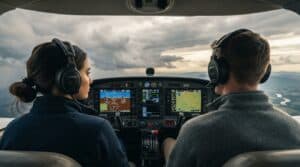
If you’re dreaming of becoming a pilot, understanding the pilot course price is a crucial step in your planning. The pilot course price can vary significantly based on several factors, such as the type of pilot license you’re aiming for, the flight school you choose, the location of your training, and the aircraft you’ll be flying. Whether you want to earn a private pilot license for personal flying or you’re set on becoming a commercial airline pilot, knowing the financial commitment upfront will help you plan and budget more effectively.
In this detailed guide, we will break down the various components that make up pilot course prices, including initial training fees, additional costs like textbooks and exams, and the expenses associated with accumulating flight hours. We’ll compare costs across different pilot training programs and discuss financial aid options and scholarships that can help ease the financial burden. By the end of this guide, you’ll have a clear understanding of what it takes financially to achieve your goal of becoming a pilot, helping you make informed decisions as you embark on this exciting career path.
Pilot course price can vary widely due to several key factors. Understanding these factors will help you anticipate expenses and make informed decisions when selecting a flight school and training program.
Type of Pilot License: The type of pilot license you are pursuing significantly affects the overall cost. A private pilot license (PPL) is generally less expensive than a commercial pilot license (CPL) or an airline transport pilot (ATP) certificate. Each level of certification requires a different number of flight hours, ground school instruction, and practical exams, all contributing to the total cost.
Flight School Choice: The flight school you choose plays a major role in determining pilot course price. Prestigious flight schools like Florida Flyers Flight Academy with modern aircraft and advanced training facilities may charge higher fees. However, they often provide better training quality and higher employment rates post-certification. It’s important to research and compare flight schools to find one that offers the best balance between cost and quality.
Location of Training: The location of your flight training can also impact the pilot course price. Training in urban areas or regions with high living expenses can be more costly than in rural areas. Additionally, weather conditions at the training location can affect the total flight hours required; areas with more favorable flying conditions might allow for faster completion of required flight hours, potentially reducing costs.
Aircraft Type: The type of aircraft used for training is another crucial factor. Training on advanced, modern aircraft can be more expensive than using older models. However, newer aircraft might offer better safety features and advanced avionics, which can enhance your training experience.
Additional Pilot Course Price: Besides the main training fees, several additional cost can affect the overall pilot course price. These include the cost of textbooks, uniforms, headsets, and other training materials. Exam fees, both written and practical, should also be considered. Some flight schools might also charge for flight simulator use and insurance.
Financial Aid and Scholarships: Exploring financial aid options and scholarships can significantly impact your out-of-pocket expenses. Many flight schools offer financing options, and there are numerous scholarships available for aspiring pilots. These can help offset the high costs associated with pilot training.
Understanding these factors will help you navigate the financial aspects of pilot training and choose a path that aligns with your budget and career goals.
To move forward, it’s essential to explore the various types of pilot training. Each type is designed to equip you with the specific skills and knowledge needed for different flying roles. Understanding these training options will help you choose the best path for your aviation career..
The Private Pilot License is the first step for many aspiring pilots. This certification allows you to fly for personal and recreational purposes. The training includes a combination of ground school and flight training, covering fundamental topics such as aerodynamics, navigation, weather, and aircraft systems. You’ll also learn basic flight maneuvers, emergency procedures, and cross-country flying. Typically, obtaining a PPL requires a minimum of 40 flight hours, though the national average is around 60-70 hours.
After obtaining a PPL, many pilots pursue an Instrument Rating. This training focuses on flying in various weather conditions using only the aircraft’s instruments. It enhances your navigation skills and teaches you to fly safely in clouds, fog, and other low-visibility situations. The IR is essential for pilots who want to advance to commercial flying, as it expands the range of conditions under which you can operate.
The Commercial Pilot License is the next step for those who want to fly for compensation or hire. This training builds on the skills acquired during PPL and IR training, with additional emphasis on advanced flight maneuvers, navigation, and flight planning. You’ll also gain experience in night flying, complex aircraft operations, and emergency procedures. To earn a CPL, you need to accumulate a minimum of 250 flight hours, which includes specific time requirements for various types of flying.
The Multi-Engine Rating allows you to operate aircraft with more than one engine. This training is crucial for pilots aiming to fly larger, more complex aircraft used in commercial aviation. The training includes learning about multi-engine aerodynamics, engine-out procedures, and advanced flight planning. Adding an MER to your CPL or ATP certificate enhances your versatility and marketability as a pilot.
The Airline Transport Pilot certificate is the highest level of pilot certification and is required for those seeking to become captains or first officers for commercial airlines. The ATP training involves comprehensive instruction on advanced aerodynamics, flight planning, crew resource management, and airline operations. You must have at least 1,500 flight hours to qualify for an ATP certificate, ensuring that you have substantial experience before assuming command of a commercial aircraft.
For pilots who want to teach others, becoming a Certified Flight Instructor (CFI) is an excellent career option. Flight instructor certification involves learning how to teach flight maneuvers, navigation, and safety procedures. Additional instructor ratings, such as Certified Flight Instructor-Instrument (CFII) and Multi-Engine Instructor (MEI), allow you to provide specialized instruction in instrument flying and multi-engine operations, respectively.
Understanding these different types of pilot training will help you map out your career path and determine the necessary steps to achieve your aviation goals. Each type of training builds on the previous one, progressively enhancing your skills and qualifications.
Understanding the costs associated with flight school is crucial for aspiring pilots. These expenses can vary widely based on several factors, including the type of pilot license you pursue, the flight school you choose, and additional costs that may arise during your training. Here’s a detailed overview to help you prepare financially for your journey to becoming a pilot.
Type of Pilot License: The cost of flight school is heavily influenced by the type of pilot license you aim to obtain. For instance, acquiring a Private Pilot License (PPL) is generally less expensive than a Commercial Pilot License (CPL) or an Airline Transport Pilot (ATP) certificate. A PPL might cost between $8,000 to $15,000, while a CPL can range from $28,000 to $90,000. The ATP certificate, which is required for airline pilots, can cost upwards of $100,000 when including all the necessary training and certifications.
Hourly Rates for Flight Time: Flight training involves a significant amount of time in the air, and this is often charged at an hourly rate. The cost per hour can vary based on the type of aircraft used and the location of the flight school. For example, training in a single-engine aircraft might cost between $100 to $200 per hour, whereas multi-engine aircraft training can range from $250 to $400 per hour. These rates include the aircraft rental and instructor fees, but additional costs such as fuel surcharges may apply.
Ground School and Instruction Fees: Ground school is an essential part of pilot training, covering the theoretical knowledge required to pass written exams and understand flight operations. The cost of ground school can vary widely, with online courses typically ranging from $200 to $1,000, while in-person instruction at a flight school can cost between $1,000 to $5,000. Additionally, one-on-one instruction with certified flight instructors may add to the overall expense.
Training Materials and Equipment: Another significant cost component includes training materials and equipment. This encompasses textbooks, charts, navigation tools, headsets, and uniforms. Depending on the flight school and the quality of the materials, you might spend anywhere from $500 to $2,000 on these items.
Examination and Certification Fees: Throughout your training, you will need to pass several exams and obtain various certifications. Each of these comes with associated fees. For instance, the FAA’s written exam fees typically range from $150 to $200 per test, while practical exam (checkride) fees can be between $500 and $1,000.
Additional Costs: Additional costs may include medical exams, which are required to ensure you meet the physical standards for pilots. These exams can cost between $75 and $200, depending on the level of certification. Insurance for flight training and membership fees for flight clubs or associations may also add to your expenses.
Financial Aid and Scholarships: It’s important to explore financial aid options and scholarships that can help offset the cost of flight training. Many organizations offer scholarships specifically for aspiring pilots, which can significantly reduce the financial burden.
By understanding these various cost components, you can better prepare for the financial investment required to complete your pilot training and pursue a rewarding career in aviation.
The Federal Aviation Administration (FAA) sets rigorous requirements for pilot training to ensure the safety and proficiency of all aviators. These regulations not only dictate the quality and comprehensiveness of training but also significantly impact the overall cost. Here’s how FAA requirements influence the expenses associated with becoming a pilot.
One of the primary factors affecting training costs is the FAA’s minimum flight hour requirements for various pilot certifications. For example:
These required hours must be logged with a certified flight instructor (CFI), which adds to the cost due to instructor fees.
FAA regulations mandate comprehensive ground school training, covering subjects such as meteorology, navigation, flight planning, and aviation regulations. This training is crucial for passing the written exams for each certification level. Costs can vary widely:
The quality and thoroughness of ground school training directly impact your preparedness for FAA exams and practical tests, thus influencing overall training duration and costs.
The FAA requires several exams and practical tests (checkrides) throughout the training process. Each of these has associated costs:
Failing an exam or checkride means additional training and retesting, further increasing costs.
Pilots must obtain an FAA medical certificate to ensure they meet health and fitness standards. The cost of these medical exams can range from $75 to $200, depending on the level of certification (First, Second, or Third Class) required for the type of flying you intend to do.
FAA regulations ensure that training aircraft are maintained to the highest safety standards. This ongoing maintenance is crucial but costly, affecting the rental rates charged by flight schools. High-quality, well-maintained aircraft rentals typically cost between $100 to $200 per hour for single-engine planes and more for multi-engine planes.
Certified Flight Instructors (CFIs) play a pivotal role in meeting FAA training standards. Their expertise ensures that students receive the highest quality training. Instructor fees, ranging from $50 to $80 per hour, contribute significantly to the overall cost of flight training.
The FAA periodically updates its training requirements to enhance safety and proficiency standards. These updates might include new regulations on simulator training, night flying, and cross-country flight hours, potentially increasing both the duration and cost of training.
Understanding the FAA requirements and their associated costs is essential for aspiring pilots. These regulations ensure a high standard of training and safety, but they also necessitate a substantial financial investment. By planning accordingly and exploring financial aid options, you can manage these costs and pursue your goal of becoming a professional pilot.
Obtaining a Private Pilot License (PPL) is the first major step in a pilot’s training journey, and it involves several pilot course prices that prospective pilots need to consider. Here’s a detailed breakdown of the typical expenses associated with earning a PPL:
Flight training is the most significant expense in obtaining a PPL. It includes both dual instruction (with a Certified Flight Instructor) and solo flight hours. The FAA requires a minimum of 40 flight hours, though most students log between 50 to 70 hours. Here’s a rough estimate of these costs:
Ground school prepares you for the FAA written exam and covers essential knowledge areas such as aerodynamics, weather, navigation, and FAA regulations.
All pilots must obtain an FAA medical certificate from an Aviation Medical Examiner (AME) to ensure they meet the required health standards. For a PPL, a Third Class Medical Certificate is typically required.
Combining all the elements above, the total cost for obtaining a Private Pilot License generally falls between $8,725 and $15,325. This range reflects the variability in flight hours, instructor fees, and the choice between online and in-person ground school options.
While the cost of obtaining a PPL can be substantial, it’s an investment in your future as a pilot. Proper planning and budgeting, along with exploring potential financing or scholarship opportunities, can help manage these expenses and make the dream of flying a reality.
Obtaining a Commercial Pilot License (CPL) is a significant investment in your aviation career, and it involves several costs beyond those required for a Private Pilot License (PPL). Here’s a detailed breakdown of the typical expenses associated with earning a CPL:
To qualify for a CPL, pilots must log a substantial number of additional flight hours and undergo advanced training. The FAA requires at least 250 total flight hours, including the hours already earned for your PPL. Here’s a rough estimate of these costs:
Ground school for a CPL covers advanced topics in aerodynamics, navigation, weather, flight planning, and aviation regulations.
Many CPL programs include additional certifications, such as an instrument rating or multi-engine rating, which involve extra costs.
To obtain a CPL, pilots must have at least a Second Class Medical Certificate from an FAA Aviation Medical Examiner (AME).
Combining all the elements above, the total cost for obtaining a Commercial Pilot License generally falls between $46,150 and $72,000. This range reflects the variability in flight hours, instructor fees, and the choice between online and in-person ground school options.
While the cost of obtaining a CPL is substantial, it is a crucial investment for a career in aviation. Proper financial planning, budgeting, and exploring potential scholarships or financing options can help manage these expenses and make the path to becoming a commercial pilot more accessible.
Obtaining an Airline Transport Pilot License (ATPL) represents the pinnacle of a pilot’s career and is a crucial step for those aspiring to captain commercial airliners. The ATPL comes with its own set of rigorous requirements and associated costs. Here’s a detailed breakdown of the typical expenses involved:
To be eligible for an ATPL, a pilot must accumulate a minimum of 1,500 total flight hours, which includes time spent during previous certifications such as PPL and CPL.
Ground school for an ATPL covers advanced topics in aerodynamics, navigation, weather, flight planning, crew resource management, and aviation regulations.
Many ATPL candidates already hold instrument and multi-engine ratings, but any additional certifications needed will add to the cost.
To obtain an ATPL, pilots must have a First Class Medical Certificate from an FAA Aviation Medical Examiner (AME).
Combining all the elements above, the total cost for obtaining an Airline Transport Pilot License generally falls between $79,950 and $155,700. This wide range reflects the variability in additional flight hours, instructor fees, type ratings, and the choice between online and in-person ground school options.
While the cost of obtaining an ATPL is substantial, it is an essential investment for a career as a commercial airline captain. Proper financial planning, budgeting, and exploring potential scholarships or financing options can help manage these expenses and make the path to becoming an airline transport pilot more accessible.
Beyond the standard expenses associated with flight hours, ground school, and examinations, aspiring pilots should account for additional costs that can significantly impact their overall budget. These include high-quality aviation headsets, kneeboards, flight bags, and other essential supplies that enhance in-flight efficiency and safety. A premium aviation headset can range from $200 to $1,000, while organizational tools like kneeboards and flight bags typically cost between $50 and $150. Miscellaneous supplies such as flight computers, logbooks, and navigation plotters, though individually less expensive, collectively add another $50 to $100 to the total expenses.
Another considerable expense is the cost of medical certification. Pilots must obtain a First Class Medical Certificate from an FAA Aviation Medical Examiner (AME) to qualify for advanced training and certifications, which generally costs between $100 and $200. Additionally, any extra certifications or endorsements, such as type ratings for specific aircraft, can add anywhere from $5,000 to $30,000 to the training costs, depending on the aircraft’s complexity. By budgeting for these supplementary costs, pilots can avoid unexpected financial strain and remain focused on achieving their professional goals.
Navigating the financial landscape of pilot training can be daunting, but numerous financing options and scholarships are available to ease the burden. Many flight schools, including Florida Flyers Flight Academy, offer payment plans that allow students to spread the cost of training over an extended period. These plans often require an initial down payment followed by monthly installments, making it more manageable to cover the high costs of pilot training. Additionally, some financial institutions provide specialized student loans for aspiring pilots, which typically feature competitive interest rates and flexible repayment terms tailored to the needs of aviation students.
Scholarships are another valuable resource for reducing the overall cost of pilot training. Numerous organizations, such as the Aircraft Owners and Pilots Association (AOPA), Women in Aviation International (WAI), and the Experimental Aircraft Association (EAA), offer scholarships specifically for aviation students. These scholarships can cover a significant portion of training expenses, including tuition, flight hours, and examination fees. Eligibility criteria vary, but they often include academic performance, financial need, and a demonstrated passion for aviation. It’s crucial for students to research and apply for as many scholarships as possible to maximize their chances of receiving financial assistance.
In addition to traditional scholarships and financing options, some airlines and aviation companies offer sponsorship programs for aspiring pilots. These programs typically involve a commitment to work for the sponsoring company upon completion of training, providing a clear pathway to employment while covering a significant portion of training costs. For example, regional airlines may offer tuition reimbursement or sign-on bonuses to pilots who agree to join their ranks. By exploring these various financing and scholarship opportunities, aspiring pilots can make their training journey more affordable and attainable, paving the way for a successful career in aviation.
Reducing the overall pilot course price requires strategic planning and a proactive approach. One effective way to lower pilot course price is to choose an accelerated training program. These programs are designed to compress the training timeline, allowing students to complete their certifications more quickly. While the upfront costs may seem high, the shorter duration can significantly reduce living expenses and overall financial burden. Additionally, accelerated programs often come with bundled pricing for flight hours and ground school, offering further savings.
Another tip to reduce pilot course price is to take advantage of flight school discounts and promotions. Many flight schools, such as Florida Flyers Flight Academy, offer seasonal discounts, referral programs, and package deals that can help lower tuition fees. Staying informed about these opportunities and enrolling during promotional periods can lead to substantial savings. Furthermore, consider training at an airport with lower landing fees and fuel costs. Smaller, regional airports often have lower operational costs, which can translate into cheaper flight training for students.
Lastly, it’s essential to be efficient with your training hours. Consistently flying with the same instructor and aircraft can enhance learning continuity and reduce the number of hours needed to master specific skills. Additionally, thorough preparation for each lesson, such as reviewing flight maneuvers and ground school materials in advance, can maximize the effectiveness of your flight time. By implementing these tips, aspiring pilots can manage their training expenses more effectively, making the dream of becoming a pilot more financially feasible.
Pilot course price can vary significantly around the world due to differences in training programs, living expenses, and regulatory requirements. Here’s a concise comparison of pilot course prices in various countries to help you understand the global landscape.
| Country | Private Pilot License (PPL) | Commercial Pilot License (CPL) | Airline Transport Pilot License (ATPL) |
|---|---|---|---|
| USA | $10,000 – $15,000 | $25,000 – $35,000 | $75,000 – $100,000 |
| UK | £12,000 – £18,000 | £30,000 – £40,000 | £90,000 – £120,000 |
| Australia | AUD 15,000 – AUD 20,000 | AUD 40,000 – AUD 50,000 | AUD 100,000 – AUD 120,000 |
| Canada | CAD 10,000 – CAD 15,000 | CAD 25,000 – CAD 35,000 | CAD 75,000 – CAD 100,000 |
| India | INR 1,000,000 – INR 1,500,000 | INR 2,500,000 – INR 3,500,000 | INR 7,500,000 – INR 10,000,000 |
Understanding these pilot course price can help you plan your pilot training journey more effectively and choose the best country for your budget and career goals.
Embarking on the journey to become a pilot is a significant investment in time, effort, and finances. Understanding the pilot course price, including the factors that influence it and the various ways to manage and reduce the pilot course price, is crucial for aspiring aviators. From selecting the right flight school to exploring financing options and scholarships, careful planning can make the path to achieving your aviation dreams more attainable.
Comparing global pilot course price provides valuable insights into where you might receive the best value for your investment. Whether you choose to train in the USA, UK, Australia, Canada, or India, each country offers unique advantages and challenges. By thoroughly researching and planning your training, you can make informed decisions that align with your budget and career aspirations.
Ultimately, while the costs associated with pilot training can be substantial, the rewards of a career in aviation are immense. With dedication, strategic financial planning, and a passion for flying, you can navigate the financial challenges and soar towards a successful career as a pilot.
Contact the Florida Flyers Flight Academy Team today at (904) 209-3510 to learn more about the Private Pilot Ground School Course.