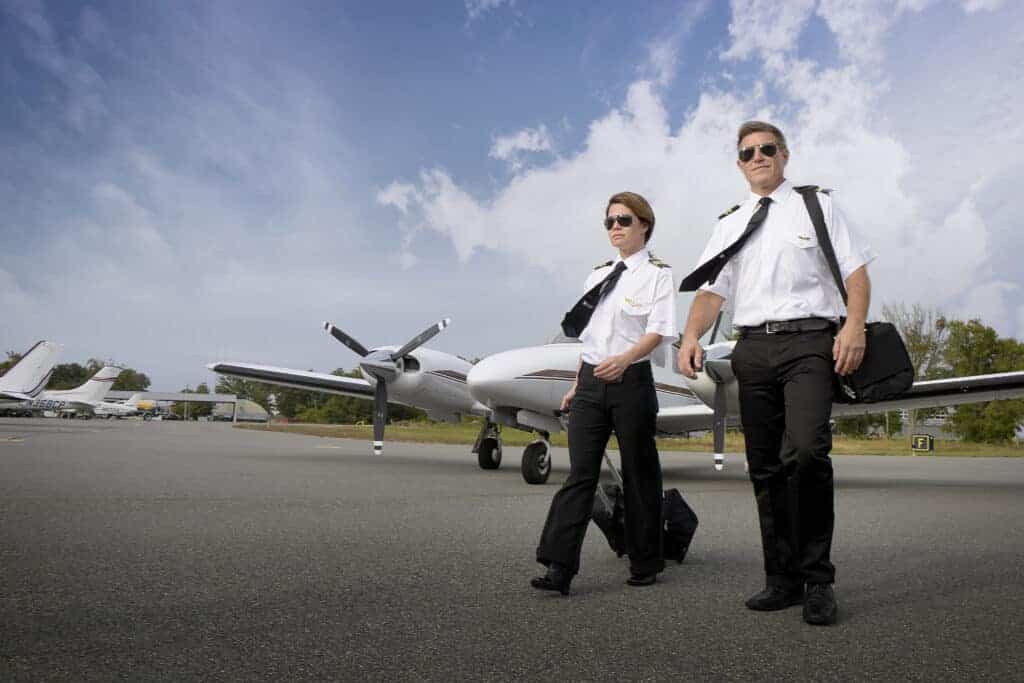
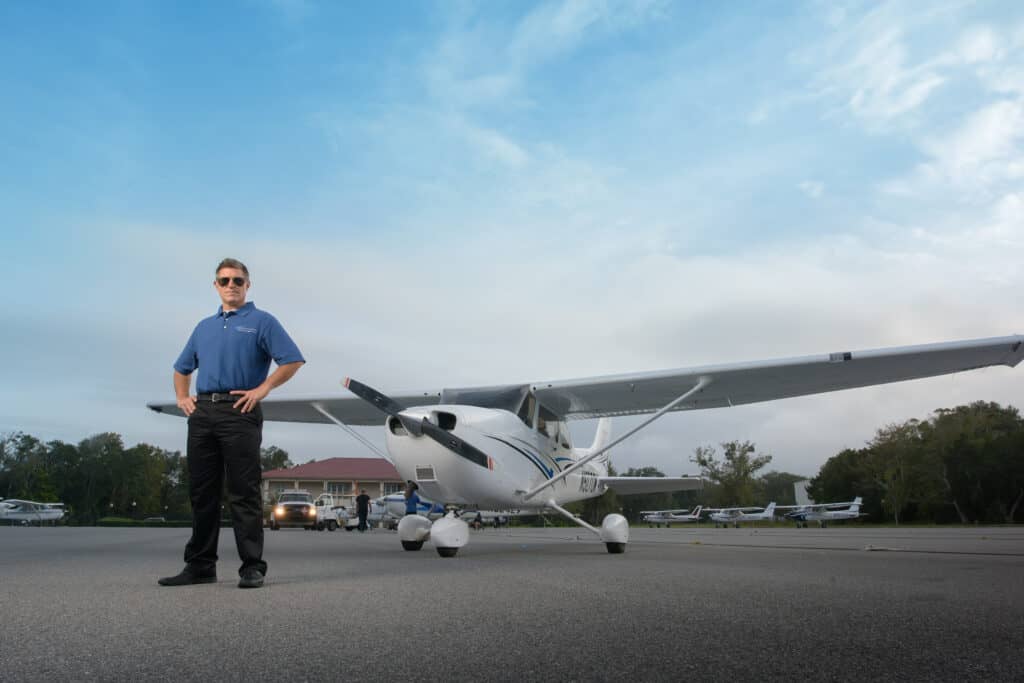
Imagine being in control of a machine that defies gravity, navigating through endless skies, and landing in destinations across the globe. For many, this isn’t just a fantasy—it’s the reality of a career as a pilot. The Pilot Career Path is one of the most exhilarating and rewarding journeys you can embark on, but it’s also one that requires a blend of passion, precision, and perseverance.
In today’s world, becoming a pilot is more accessible than ever, but it’s also more competitive. With advancements in aviation technology and an increasing demand for skilled pilots, those who are serious about pursuing this career must be prepared to invest in rigorous training and ongoing education. This guide will take you through each step of the Pilot Career Path, offering insights into what it takes to succeed in this high-flying profession. From initial certifications to the various career options available, you’ll gain a comprehensive understanding of how to turn your aviation dreams into reality.
The journey along the Pilot Career Path begins with a deep understanding of what it truly means to be a pilot. Pilots are more than just skilled operators of aircraft; they are responsible for the safety and efficiency of every flight, from takeoff to landing. This role requires a unique combination of technical expertise, quick decision-making, and strong leadership qualities.
As a pilot, you are the commander of the aircraft, ensuring that every aspect of the flight is conducted according to strict safety protocols and regulations. This involves everything from planning flight routes, checking weather conditions, and coordinating with air traffic control to managing unexpected challenges that may arise during flight. The Pilot Career Path demands that you develop a comprehensive skill set, including mastery of complex navigation systems, a thorough understanding of aerodynamics, and the ability to stay calm under pressure.
Understanding the role of a pilot is crucial as it forms the foundation of your entire career. Whether you aim to fly commercial airliners, private jets, or pursue a specialized role in aviation, your ability to excel in these responsibilities will determine your success on the Pilot Career Path. This is not just a job; it’s a commitment to excellence, where each day brings new challenges and opportunities to learn and grow.
The educational foundation you build is a crucial first step on the Pilot Career Path. While flying may seem like a skill that is learned solely in the cockpit, a strong academic background is essential for any aspiring pilot. The journey typically begins with obtaining at least a high school diploma or equivalent, though many airlines and flight schools prefer candidates with a college degree, particularly in fields like aviation, aerospace engineering, or even physics.
Beyond formal education, pilots are required to have a deep understanding of subjects such as mathematics, physics, and geography. These disciplines are not just academic requirements but practical tools that you’ll use throughout your career. For instance, physics helps you grasp the principles of flight, while math is critical for calculating flight plans, fuel requirements, and navigation.
Additionally, most pilots pursue specialized training at a flight school such as Florida Flyers Flight Academy, where they gain the hands-on experience necessary to operate an aircraft. This training includes ground school, where you’ll study topics like meteorology, air law, and aircraft systems, followed by flight training, where you’ll apply this knowledge in real-world scenarios. Successfully completing these educational requirements is a key milestone on the Pilot Career Path, setting the stage for further certifications and advanced training.
Understanding the educational requirements is more than just a checkbox on your journey; it’s about equipping yourself with the knowledge and skills that will ensure you’re prepared for the challenges ahead in your Pilot Career Path.
Navigating the Pilot Career Path requires obtaining various licenses and certifications, each serving as a stepping stone toward more advanced flying opportunities. These credentials not only validate your skills and knowledge but also determine the types of aircraft you can fly and the environments in which you can operate. Understanding the different types of pilot licenses is essential to planning your career trajectory in aviation.
The journey typically begins with the Private Pilot License (PPL), which is the foundation for all other certifications. The PPL allows you to fly for personal enjoyment and non-commercial purposes. It requires a minimum of 40 flight hours, including both solo and instructional time, and passing a written exam and flight test. While it doesn’t qualify you for paid positions, it’s a crucial first step on the Pilot Career Path.
For those aiming to make flying a profession, the next step is the Commercial Pilot License (CPL). This certification allows you to be compensated for your flying services. To obtain a CPL, you’ll need to accumulate additional flight hours, usually around 250 total hours, and pass more rigorous exams that test your ability to handle complex flying situations. The CPL is a significant milestone, opening doors to careers in commercial aviation, charter services, and more.
If you aspire to captain large commercial aircraft, you’ll need to obtain the Airline Transport Pilot License (ATPL). The ATPL is the highest level of pilot certification and is required to act as the pilot-in-command for airlines. This license demands extensive experience, typically requiring at least 1,500 flight hours, and the completion of advanced exams covering everything from navigation and meteorology to the principles of flight.
In addition to these core licenses, there are several specialized certifications that pilots can pursue based on their career goals. For example, the Instrument Rating (IR) allows you to fly in a wider range of weather conditions by enabling you to operate under Instrument Flight Rules (IFR). The Multi-Engine Rating (MER) qualifies you to fly aircraft with more than one engine, which is crucial for most commercial and airline roles.
Choosing the right training path is a critical decision on your Pilot Career Path, as it lays the groundwork for your future in aviation. The training path you select will influence the type of pilot you become, the environments in which you train, and the opportunities available to you once you’re certified. Here, we’ll explore the most common types of training paths that aspiring pilots can follow.
Accelerated flight schools offer intensive training programs that allow students to obtain their pilot licenses in a shorter timeframe. These programs are typically full-time and immersive, providing a condensed curriculum and hands-on flight experience. While accelerated programs can be more expensive, they offer the advantage of completing training in a matter of months rather than years.
Traditional flight schools offer a more flexible approach to pilot training, with part-time or evening classes that accommodate students’ schedules. This path is often preferred by individuals who wish to pursue their pilot training while maintaining other commitments, such as a full-time job or academic studies. However, the training process may take longer compared to accelerated programs.
Many universities and colleges offer aviation-related degree programs, which combine academic coursework with flight training. These programs typically lead to a Bachelor of Science in Aviation or a similar degree. Graduates of these programs not only obtain the necessary pilot licenses but also gain a comprehensive understanding of aviation management, operations, and related disciplines.
After obtaining their initial pilot licenses, aspiring pilots may seek employment opportunities to gain valuable flight experience. Common entry-level positions include flight instructing, banner towing, pipeline patrol, or working for regional or cargo airlines. This experience is crucial for building flight hours and enhancing their résumés for future job opportunities.
The military offers comprehensive flight training programs for individuals interested in becoming military pilots. These programs are highly competitive and require applicants to meet stringent physical, mental, and academic standards. Upon successful completion of training, military pilots serve their respective branches while accumulating valuable flight experience and qualifications.
Selecting the right Pilot Career Path is a pivotal decision that shapes your future in aviation. With various career options and specializations available, understanding how to align your goals with the right path is crucial. Here’s a guide to help you navigate your choices and find the best fit for your aspirations.
The first step in choosing your Pilot Career Path is to clearly define your career goals and interests. Are you passionate about flying commercial airliners, or do you dream of piloting private jets or helicopters? Each career path offers unique experiences and requires different types of training and certifications. For example, if you aspire to work for an airline, focusing on obtaining an Airline Transport Pilot License (ATPL) and accumulating flight hours is essential. Conversely, if you’re interested in a career in corporate aviation, a Commercial Pilot License (CPL) and relevant type ratings might be more appropriate.
Your financial situation and time availability play a significant role in shaping your Pilot Career Path. Flight training can be costly, and different training programs vary in expense and duration. Part 61 flight schools offer more flexible scheduling but may take longer and be less structured, while Part 141 schools are often more intensive but require a greater time commitment. University aviation programs combine academic education with flight training, potentially reducing the overall cost and time spent on training if you’re interested in obtaining a degree alongside your pilot certifications.
Research the current job market and future trends in aviation to make an informed decision about your career path. Certain areas of aviation, such as commercial airline piloting, may have higher demand and more job stability compared to others. Staying informed about industry trends and talking to professionals in your desired field can provide valuable insights into the best career path for you. Networking with pilots and attending aviation career fairs or seminars can also help you understand which paths are currently thriving and which may offer more opportunities in the future.
Different pilot careers require specific training and certifications. For instance, if you aim to become an airline captain, you’ll need to pursue the highest levels of certification, such as the ATPL, and gain extensive flight hours. For a career in agricultural aviation or aerial surveying, specialized training and certifications might be required. Carefully review the qualifications needed for your desired career path and ensure you’re prepared to meet these requirements.
Lastly, seeking mentorship from experienced pilots can be incredibly beneficial. Mentors can offer firsthand knowledge about the various career paths, provide guidance on training options, and help you navigate the complexities of the aviation industry. Finding a mentor who aligns with your career aspirations can offer personalized advice and support throughout your journey.
Choosing your Pilot Career Path involves a thoughtful evaluation of your goals, interests, and the practical aspects of training and career opportunities. By considering these factors and seeking guidance, you can make an informed decision that sets you on a successful and fulfilling aviation career.
Deciding whether the Pilot Career Path is right for you involves more than just a passion for flying. It requires a realistic assessment of your personal goals, financial resources, and readiness to commit to the rigorous demands of aviation training and profession.
A career as a pilot can be incredibly rewarding, offering the unique opportunity to experience the world from a perspective few others can. The path involves a significant investment in education and training, and requires ongoing dedication to maintaining certifications and staying current with industry advancements. It’s a profession that demands exceptional problem-solving skills, strong decision-making abilities, and resilience under pressure.
If you’re drawn to the challenge and excitement of flying, and are prepared to meet the demands of the training and the profession, the Pilot Career Path can lead to a fulfilling and dynamic career. It offers diverse opportunities, whether you aspire to fly commercial airliners, private jets, or specialize in fields like agricultural aviation or search and rescue.
However, it’s essential to reflect on your own strengths and circumstances. Consider the time, effort, and financial investment required, and ensure that you’re prepared for the commitment involved. Speak with current pilots, explore various training programs, and evaluate your long-term career goals to make an informed decision.
Ultimately, if you have the passion for aviation, the determination to overcome challenges, and the willingness to invest in your future, a career on the Pilot Career Path could be the perfect fit for you.
Contact the Florida Flyers Flight Academy Team today at (904) 209-3510 to learn more about the Private Pilot Ground School Course.