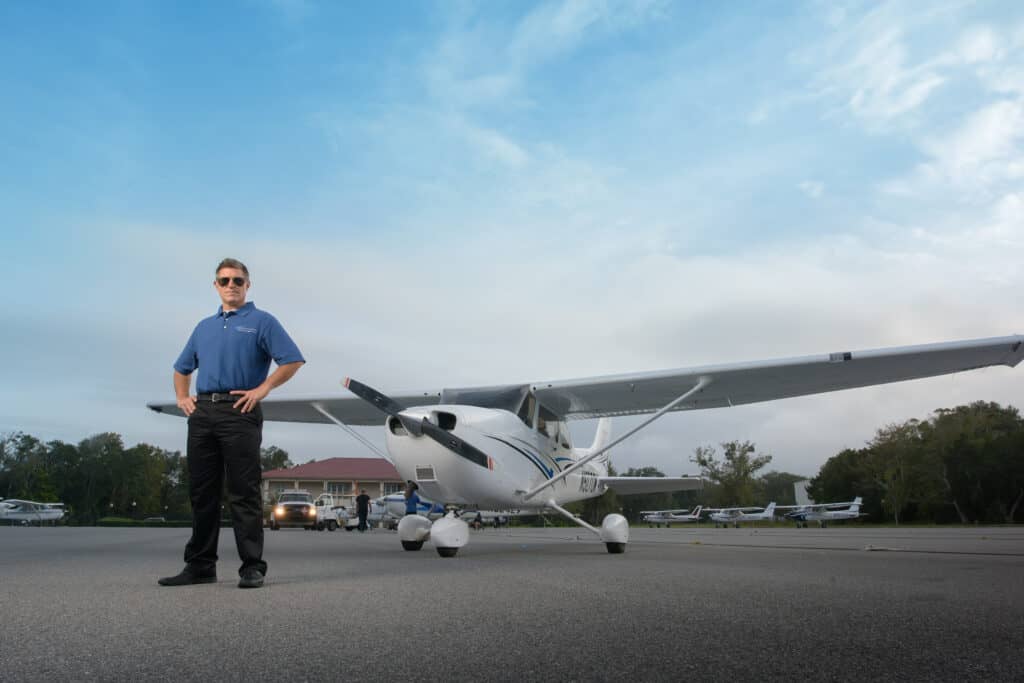
Introduction to Facts About Being a Pilot
The life of a pilot is often seen as glamorous, filled with thrilling adventures, global travel, and the prestige of commanding an aircraft high above the clouds. But the facts about being a pilot go far beyond the excitement and appeal often associated with the profession. Pilots bear immense responsibility, from ensuring the safety of their passengers or cargo to navigating complex flight paths and working with cutting-edge technology.
While many aspire to become pilots, few truly understand the realities of the job. It’s not just about flying from one destination to another. Pilots must possess sharp decision-making skills, a deep understanding of aerodynamics, and the ability to remain calm under pressure. This article will delve into fascinating facts about being a pilot, shedding light on the unique experiences, challenges, and rewards of this demanding yet rewarding career.
The Journey to Becoming a Pilot
Becoming a pilot is no small feat. The journey typically starts with a passion for flying, but turning that passion into a career involves years of training, rigorous tests, and substantial financial investment. One of the lesser-known facts about being a pilot is that many pilots start as hobbyists, gaining experience with a Private Pilot License (PPL) before transitioning into professional aviation through advanced certifications like the Commercial Pilot License (CPL) or Airline Transport Pilot License (ATPL).
To become a licensed pilot, aspiring aviators must complete a significant number of flight hours, often amounting to hundreds, alongside passing written exams on subjects such as meteorology, navigation, and aircraft systems. These flight hours and exams are part of the certification process overseen by aviation authorities like the FAA (Federal Aviation Administration) in the United States. During this training, pilots learn about cockpit procedures, aerodynamics, and emergency protocols.
But one of the most essential facts about being a pilot is that training never truly ends. Aviation is an ever-evolving field, and pilots are required to stay up-to-date with the latest regulations, technologies, and safety measures through recurrent training and exams throughout their careers. This dedication to continuous learning sets the foundation for a successful piloting career.
Interesting Day-to-Day Facts About Being a Pilot
The day-to-day life of a pilot is anything but ordinary. From one flight to the next, pilots encounter new challenges, weather conditions, and destinations. One of the most intriguing facts about being a pilot is that no two flights are ever the same. While some jobs may feel repetitive, piloting requires constant vigilance and adaptability. Weather patterns, mechanical checks, and even air traffic can turn a routine flight into a challenging mission.
Before every flight, pilots perform comprehensive pre-flight inspections, reviewing the aircraft’s systems, checking fuel levels, and studying the flight path. These responsibilities are part of their job to ensure safe operations, a fact about being a pilot that often goes unnoticed by passengers. Once airborne, pilots continuously monitor the aircraft’s performance and communicate with air traffic control to navigate congested skies and adjust their course when necessary.
The unpredictability of flying is another factor that makes the profession unique. Pilots must remain calm and focused, prepared to handle any situation that arises mid-flight. Whether it’s navigating through unexpected turbulence or responding to a system malfunction, pilots need to be ready to make split-second decisions. These daily experiences contribute to the uniqueness of their profession, and it’s a fact about being a pilot that emphasizes the skills and knowledge required to thrive.
Facts About Being a Pilot: Unique Experiences Only Pilots Have
Flying an aircraft at 35,000 feet offers perspectives that few people ever experience. Pilots get to witness breathtaking sunrises, sweeping views of mountain ranges, and stunning coastlines from their cockpit windows. One of the most exciting facts about being a pilot is that they often fly through weather systems that most people only observe from the ground. The opportunity to see these natural phenomena from above, whether it’s a powerful thunderstorm or the glow of the northern lights, is a privilege few other professions offer.
In addition to the awe-inspiring views, pilots also enjoy the experience of landing in diverse cities and countries, immersing themselves in different cultures with every trip. Many pilots relish the fact that they can travel to new destinations regularly, each layover presenting a new opportunity to explore. From bustling international cities to remote island airports, the variety of destinations pilots visit adds a level of excitement to the job.
Moreover, pilots often develop a deep bond with their crew, as they spend long hours together in the confined space of the cockpit. The teamwork and camaraderie among pilots and flight crew are among the lesser-known facts about being a pilot, contributing to the tight-knit nature of the aviation community.
Facts About Being a Pilot: The Challenges Pilots Face
While the job comes with many perks, the challenges pilots face are not to be overlooked. One of the most critical facts about being a pilot is the immense responsibility that comes with the role. Pilots must ensure the safety of everyone on board, regardless of the circumstances. In moments of emergency, the ability to stay calm and make swift decisions can mean the difference between life and death.
Additionally, fatigue is a common challenge faced by pilots. With long flights, frequent time zone changes, and irregular schedules, staying alert and focused during flights can be difficult. This is why aviation authorities strictly regulate flight hours to ensure pilots receive adequate rest between trips. Nonetheless, the physical and mental demands of the job are facts about being a pilot that often go unnoticed by outsiders.
Another challenge is the unpredictability of weather. Even with modern technology, pilots often have to navigate through unexpected turbulence or thunderstorms. The ability to adjust quickly and effectively is a skill that separates seasoned pilots from newcomers.
The Perks of Being a Pilot
Despite the challenges, there are numerous rewards that come with being a pilot. Perhaps one of the most appealing facts about being a pilot is the opportunity to travel the world while getting paid to do so. Pilots often visit multiple countries in a single week, allowing them to explore new cultures and landscapes. Layovers in exotic destinations give them the chance to relax and unwind in places that others can only dream of visiting.
Another benefit of being a pilot is the financial stability the career provides. As pilots gain more experience, their salaries increase substantially. Senior pilots at major airlines can earn six-figure salaries, and the job often comes with excellent benefits such as healthcare, retirement plans, and bonuses. The perks extend beyond financial compensation, with many airlines offering discounted or free flights for pilots and their families.
Facts About Being a Pilot: Technological Advancements Impacting Pilots
Modern technology has revolutionized the aviation industry, significantly changing the way pilots operate aircraft. One of the fascinating facts about being a pilot in the 21st century is how much reliance there is on automation and advanced systems. Aircraft today are equipped with sophisticated autopilot features, GPS navigation, and real-time communication tools that help pilots manage flights more efficiently.
While these technologies have improved flight safety and efficiency, they also require pilots to remain technologically adept. Pilots must be well-versed in the latest systems to monitor and intervene when necessary, particularly during takeoffs, landings, and emergencies. While automation handles many routine tasks, the human element remains crucial in critical moments. The balance between technology and manual control is a fact about being a pilot that emphasizes the profession’s complexity in the digital age.
Common Misconception Facts About Being a Pilot
There are many misconceptions about what it’s like to be a pilot. One of the most prevalent myths is that autopilot does most of the work, leaving pilots with little to do. In reality, while autopilot handles many functions during flight, pilots are still actively involved in monitoring the systems, communicating with air traffic control, and adjusting the flight path as necessary. The fact about being a pilot is that their expertise is crucial, especially during critical phases like takeoff, landing, or emergency situations.
Another misconception is that pilots lead easy lives with minimal working hours. In truth, pilots often work long shifts, and the time they spend preparing for flights, inspecting aircraft, and conducting post-flight reviews adds up significantly. Their schedules can be erratic, and they often spend time away from family and friends, navigating different time zones and weather conditions.
Financial Aspects of a Pilot’s Career
A career in aviation can be financially rewarding, but it’s important to recognize the factors that influence a pilot’s earnings. Entry-level pilots, particularly those working for regional airlines, may start with relatively modest salaries, but as they gain experience and work for larger airlines, their pay increases substantially. Senior captains can earn over $200,000 a year, depending on the airline and aircraft they operate. The salary progression is one of the exciting facts about being a pilot, as the financial rewards grow with expertise and rank.
However, aspiring pilots should also be aware of the significant upfront costs associated with flight training. It can cost up to $100,000 to earn the necessary licenses and certifications. While the financial rewards of being a pilot are high, the investment in education and training is a critical consideration for anyone entering the field.
Facts About Being a Pilot: Work-Life Balance for Pilots
Maintaining a healthy work-life balance as a pilot can be difficult due to the nature of the job. Pilots spend extended periods away from home, especially on international flights, which can strain personal relationships. However, one of the more optimistic facts about being a pilot is that airlines have become increasingly focused on providing flexible scheduling options, ensuring pilots have sufficient rest time and opportunities to be with their families.
Many airlines offer extended vacation time and structured rosters, giving pilots the ability to plan their personal lives more effectively. Still, the irregularity of their schedules means pilots must develop strong time-management skills to maintain a fulfilling life outside of work.
Famous Pilots and Their Contributions
Throughout history, many famous pilots have made remarkable contributions to aviation. From the Wright Brothers, who pioneered the first powered flight, to Amelia Earhart, whose courage and determination opened doors for women in aviation, these individuals have shaped the industry. Another important fact
about being a pilot is that it puts you in the company of these trailblazers, each of whom has left a legacy that continues to inspire new generations of aviators.
More modern-day heroes include Sully Sullenberger, who famously landed US Airways Flight 1549 on the Hudson River, saving everyone on board. Their achievements highlight the profound responsibility pilots bear and the critical role they play in advancing aviation safety.
Conclusion: Is Being a Pilot Right for You?
In conclusion, there are many fascinating facts about being a pilot that make it one of the most rewarding yet challenging careers. From the rigorous journey of becoming a licensed aviator to the unique experiences and perks that come with the profession, pilots enjoy a dynamic, ever-changing career. However, it’s essential to understand the challenges, including the significant responsibility, financial commitment, and work-life balance issues.
For those with a passion for flying and the dedication to overcome these challenges, being a pilot can be an incredibly fulfilling career. If you’re ready to start your journey, consider pursuing professional flight training at a reputable institution like Florida Flyers Flight Academy, where you can receive top-tier education and begin your path toward the skies.
If you’re inspired to pursue your dream of becoming a pilot, Florida Flyers Flight Academy offers comprehensive training programs to guide you every step of the way. With state-of-the-art facilities, experienced instructors, and a proven track record, Florida Flyers Flight Academy is the perfect place to begin your aviation journey. Take the first step towards achieving your dream and explore the opportunities awaiting you in the world of aviation!
Contact the Florida Flyers Flight Academy Team today at (904) 209-3510 to learn more about how to pay for flight school.