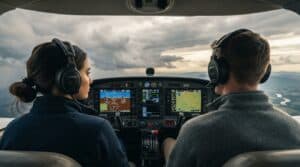
Becoming an airline pilot is a challenging yet rewarding journey that requires a combination of education, training, and certification. Airline pilots are responsible for the safety and navigation of their aircraft, requiring a high level of skill and knowledge. This comprehensive guide will walk you through the essential airline pilot requirements, including the necessary qualifications, training programs, and certifications needed to achieve your goal.
The path to becoming an airline pilot typically begins with obtaining a private pilot license (PPL), followed by advanced certifications such as the commercial pilot license (CPL) and the airline transport pilot license (ATPL). Each of these certifications involves rigorous training and examinations to ensure that pilots are well-prepared to handle the complexities of flying commercial aircraft. Additionally, pilots must meet specific medical and age requirements, undergo background checks, and gain extensive flight experience. This guide will delve into each of these aspects, providing you with a clear roadmap to a successful career in aviation.
To embark on the path to becoming an airline pilot, a solid educational foundation is crucial. Most airlines and aviation authorities mandate a minimum of a high school diploma or equivalent. However, many prospective pilots opt to pursue higher education, such as a bachelor’s degree in aviation, aeronautical science, or a related field. These programs not only provide in-depth knowledge of aviation principles but also offer opportunities for flight training and hands-on experience.
Additionally, some institutions offer specialized aviation degree programs that combine theoretical coursework with practical flight training, allowing students to earn their commercial pilot certificates concurrently. This integrated approach streamlines the process and prepares individuals for the demanding challenges of the aviation industry.
To become an airline pilot in the United States, you must adhere to stringent requirements set by the Federal Aviation Administration (FAA). The FAA governs all aspects of civil aviation, including the necessary certifications and regulations that aspiring pilots must follow. Understanding these airline pilot requirements is crucial for anyone pursuing a career in aviation.
The first step in meeting FAA regulations is obtaining a Private Pilot License (PPL). This certification requires a minimum of 40 flight hours, including at least 20 hours of flight instruction and 10 hours of solo flight. The training focuses on basic flight skills, navigation, and emergency procedures. After obtaining a PPL, the next certification is the Commercial Pilot License (CPL), which requires at least 250 flight hours. The CPL training includes more advanced maneuvers, cross-country flying, and instrument flying, which allows pilots to operate aircraft in various weather conditions.
The final and most critical certification for airline pilots is the Airline Transport Pilot License (ATPL). This license requires a minimum of 1,500 flight hours and comprehensive knowledge of airline operations, advanced navigation, and crew resource management. Pilots must also pass rigorous written and practical exams. Additionally, the FAA mandates that pilots undergo regular medical examinations to ensure they meet health and fitness standards. Meeting these airline pilot requirements ensures that pilots are well-prepared to safely operate commercial aircraft and handle the complexities of airline operations.
Selecting the right flight school is a critical step in meeting airline pilot requirements and shaping your aviation career. A reputable flight school will provide comprehensive training, experienced instructors, and the necessary resources to help you succeed. When evaluating flight schools, consider factors such as accreditation, training programs, fleet quality, and success rates of graduates.
One of the top choices for aspiring pilots is Florida Flyers Flight Academy. Known for its state-of-the-art facilities and highly qualified instructors, Florida Flyers offers a range of training programs tailored to meet the needs of future airline pilots. Their curriculum covers all necessary FAA certifications, from the Private Pilot License (PPL) to the Airline Transport Pilot License (ATPL), ensuring you receive thorough and well-rounded training. Additionally, the academy’s fleet includes modern aircraft equipped with the latest technology, providing a realistic training environment that mirrors real-world flying conditions.
Furthermore, Florida Flyers Flight Academy places a strong emphasis on safety and regulatory compliance, which is crucial for meeting FAA requirements. Their training programs are designed to prepare students for the challenges of airline operations, incorporating advanced simulation training and real-world scenarios. By choosing a well-respected institution like Florida Flyers Flight Academy, you can be confident that you are receiving high-quality education and support, setting a solid foundation for a successful career as an airline pilot.
Earning your pilot’s license is a multifaceted journey that involves meeting specific airline pilot requirements set by the Federal Aviation Administration (FAA). The process typically begins with obtaining a Private Pilot License (PPL), which allows you to fly privately and recreationally. This initial stage includes ground school training, where you learn the fundamentals of aviation, and flight training, where you practice flying under the supervision of an instructor.
After acquiring your PPL, the next step is to earn an Instrument Rating (IR). This rating is crucial as it qualifies you to fly in various weather conditions and without visual references, relying solely on instruments. Following the IR, you will need to pursue a Commercial Pilot License (CPL), which permits you to fly for compensation. This stage involves more advanced training and a higher standard of proficiency in both flying and understanding aviation regulations.
To fulfill the ultimate airline pilot requirements, you must achieve the Airline Transport Pilot License (ATPL), the highest level of pilot certification. This requires accumulating significant flight hours, passing rigorous written and practical exams, and often obtaining a Multi-Engine Rating (MER) to operate aircraft with more than one engine. Throughout this journey, training institutions provide comprehensive programs that cover all these stages, ensuring that aspiring pilots receive the necessary education and experience to excel in their aviation careers.
While obtaining a pilot’s license is a significant achievement, aspiring airline pilots must continue to accumulate substantial flight hours and diverse experience to meet the stringent Airline Pilot Requirements set forth by airlines and regulatory bodies. Many airlines mandate a minimum of 1,500 flight hours, with a significant portion of those hours dedicated to multi-engine aircraft operations.
To gain valuable experience, newly licensed pilots often pursue opportunities such as flight instructing, cargo operations, or corporate aviation. These roles not only allow them to log flight hours but also expose them to different operational environments, enhancing their overall skill set and decision-making abilities.
Additionally, pilots may seek out specialized training programs or certifications to further enhance their qualifications. Examples include multi-engine ratings, jet transition courses, and crew resource management (CRM) training, which focuses on effective communication, teamwork, and decision-making within a flight crew environment.
As pilots progress in their careers, they may opt to pursue advanced training or specializations to broaden their expertise and increase their competitiveness in the job market. Some of the advanced training opportunities include:
Type Ratings: These certifications are specific to a particular aircraft model or family and are required for pilots to operate that aircraft type. Airlines often provide type rating training for their pilots upon hiring.
Airline Transport Pilot (ATP) Certification: This certification is a prerequisite for flying as a captain or first officer for most major airlines. It involves extensive training and testing, covering advanced aeronautical knowledge, decision-making skills, and crew resource management.
Specialized Ratings: Pilots can also pursue specialized ratings such as seaplane, multi-engine, or instrument ratings, which expand their capabilities and versatility.
Airline-Specific Training: Many airlines offer comprehensive training programs tailored to their specific operations, aircraft types, and procedures. These programs ensure that pilots are fully prepared to operate within the airline’s unique environment.
By continuously expanding their knowledge and skills, pilots can enhance their employability and position themselves for career advancement opportunities within the aviation industry.
Maintaining optimal physical and mental health is of paramount importance for airline pilots, as their responsibilities directly impact the safety of passengers and crew. The FAA has established stringent medical requirements that pilots must meet to obtain and maintain their certifications.
Medical Examinations: Pilots must undergo periodic medical examinations conducted by FAA-designated Aviation Medical Examiners (AMEs). These examinations assess various aspects of the pilot’s health, including vision, hearing, cardiovascular health, and mental fitness.
Vision Requirements: Pilots must meet specific vision standards, including corrected and uncorrected visual acuity, color vision, and depth perception.
Physical Fitness: Pilots must maintain a certain level of physical fitness to perform their duties effectively. This includes having adequate strength, mobility, and endurance to operate aircraft controls and handle emergency situations.
Substance Abuse Screening: Pilots are subject to random drug and alcohol testing to ensure they are free from any substances that could impair their performance or judgment.
Mental Health Evaluation: Pilots must undergo psychological evaluations to assess their mental fitness for the demanding nature of the job, including their ability to handle stress, make sound decisions, and maintain situational awareness.
Failure to meet these medical and physical requirements can result in the suspension or revocation of a pilot’s certification. Pilots are responsible for reporting any changes in their medical condition that may affect their ability to fly safely.
Simulator training plays a crucial role in meeting airline pilot requirements, offering a safe and controlled environment where pilots can hone their skills. Flight simulators replicate the cockpit of an aircraft and allow pilots to practice a wide range of scenarios, from routine operations to emergency situations. This type of training is essential for developing proficiency in handling complex aircraft systems and managing unforeseen challenges without the risks associated with real flight.
For aspiring pilots, simulator training is integral to obtaining various certifications. For instance, during the Instrument Rating (IR) and Multi-Engine Rating (MER) stages, simulators provide invaluable experience in navigating through poor weather conditions and performing complex maneuvers. They allow pilots to practice instrument-only navigation and multi-engine procedures extensively, ensuring they meet the stringent airline pilot requirements set by the FAA.
Training programs at institutions emphasize the importance of simulator training in their curriculum. These programs use advanced flight simulators to provide comprehensive training sessions that cover all necessary aspects of flying, from basic flight operations to advanced emergency response techniques. By integrating extensive simulator training, flight schools ensures that their students are well-prepared to handle real-world flying challenges, thereby meeting the rigorous airline pilot requirements and enhancing their overall competency and confidence as pilots.
One of the key aspects of meeting airline pilot requirements is understanding and planning for the financial investment involved in pilot training. The costs can be substantial, covering everything from flight school tuition and training materials to flight hours and certification fees. On average, the cost of obtaining a private pilot license (PPL) can range from $8,000 to $15,000, while a commercial pilot license (CPL) can cost between $20,000 and $40,000. These figures can vary depending on the flight school, the type of aircraft used, and the location of the training.
For aspiring pilots, securing funding for this training is a critical step. Several options are available, including personal savings, student loans, scholarships, and grants. Some flight schools, such as Florida Flyers Flight Academy, offer financing options and payment plans to help students manage the costs more effectively. Additionally, many airlines provide cadet programs or sponsorships that cover part or all of the training expenses in exchange for a commitment to work for the airline after certification.
Exploring scholarship opportunities is another important strategy for funding pilot training. Organizations such as the Aircraft Owners and Pilots Association (AOPA) and Women in Aviation International (WAI) offer scholarships specifically for pilot training. Prospective pilots should also consider military training programs, which provide comprehensive flight training at no cost, although they come with a service commitment. By carefully planning and leveraging available resources, students can navigate the financial challenges and meet the airline pilot requirements necessary to achieve their aviation career goals.
The aviation industry is constantly evolving, and the job outlook for airline pilots is influenced by various factors, including global economic conditions, travel demand, and technological advancements. According to the Bureau of Labor Statistics (BLS), the employment of airline and commercial pilots is projected to grow by 6% from 2020 to 2030, which is as fast as the average for all occupations.
As pilots progress in their careers, they may have the opportunity to advance to higher-level positions within the airline industry, such as:
First Officer: After gaining the necessary flight hours and experience, pilots may be hired as first officers, also known as co-pilots, responsible for assisting the captain during flight operations.
Captain: With additional experience and seniority, pilots can advance to the position of captain, assuming overall responsibility for the safe operation of the aircraft and making critical decisions during flight.
Instructor Pilot: Experienced pilots may transition into training roles, serving as instructors for new pilots or providing recurrent training to existing airline personnel.
Check Airman: Check airmen are highly experienced pilots responsible for evaluating and certifying the proficiency of other pilots within an airline.
Management Positions: Pilots with strong leadership and administrative skills may pursue management roles within airlines, such as chief pilots, directors of operations, or safety managers.
Additionally, pilots may explore opportunities beyond commercial airlines, including corporate aviation, charter operations, aerial photography, or even becoming a flight instructor at a reputable flight school.
Becoming an airline pilot is a challenging yet immensely rewarding journey that requires dedication, perseverance, and a passion for aviation. This comprehensive guide has provided a detailed overview of the airline pilot requirements, covering everything from educational qualifications and FAA certifications to advanced training, medical requirements, and financial considerations.
Throughout the process, aspiring pilots must remain committed to continuous learning, prioritizing safety, and developing the necessary skills and knowledge to excel in this dynamic and demanding field. By carefully navigating the various stages of training and certification, and embracing opportunities for personal and professional growth, aspiring pilots can position themselves for success in the aviation industry.
It’s important to remember that the path to becoming an airline pilot is not a linear one, and individuals may encounter unique challenges and obstacles along the way. However, with perseverance, adaptability, and a unwavering commitment to excellence, aspiring pilots can overcome these challenges and soar to new heights in their careers.
If you’re ready to embark on the thrilling journey of becoming an airline pilot, take the first step by exploring Florida Flyers Flight Academy’s comprehensive aviation training programs. Our experienced instructors and state-of-the-art facilities will provide you with the knowledge, skills, and hands-on experience necessary to excel in this exciting field. Schedule a consultation and learn more about how we can help you achieve your dream of taking to the skies.
Contact the Florida Flyers Flight Academy Team today at (904) 209-3510 to learn more about the Private Pilot Ground School Course.