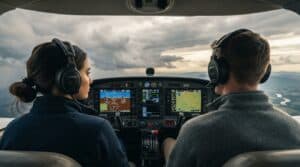
Have you ever looked up at the sky and wondered what it would be like to fly a plane for a living? For many people, becoming an airline pilot is an exciting dream. It’s a job that offers the thrill of soaring through the clouds, visiting new places, and taking on big responsibilities. However, the path to becoming a pilot for a major airline isn’t always straightforward. It usually involves years of training, gaining experience in smaller planes, and slowly working your way up to bigger aircraft and better jobs. This long process can sometimes discourage aspiring pilots.
That’s where the Airline Direct Track program comes in to change the game. This program is designed to speed up the journey from beginner pilot to flying for a major airline. It’s like a fast lane for pilot careers, offering a clearer and quicker path to the cockpit of large commercial planes. The Airline Direct Track program helps new pilots get the right training, build the necessary skills, and make important connections in the aviation world.
In this guide, we’ll take a closer look at how this program works. We’ll explore the steps involved, what you can expect along the way, and how it can help turn your dream of being an airline pilot into a reality much faster than traditional routes.
The Airline Direct Track program is a special way for people to become commercial pilots. It’s sometimes called a cadet program or ab initio program, which means “from the beginning” in Latin. This program is different from traditional pilot training because it’s set up by airlines working together with flight schools such as Florida Flyers Flight Academy. The goal is to find people who have the potential to be great pilots and give them all the training they need from start to finish.
When you join an Airline Direct Track program, you’re not just signing up for flying lessons. You’re stepping onto a clear path that leads straight to a job as an airline pilot. The program is carefully designed to teach you everything you need to know, from the basics of flying to the specific skills required by the airline you might work for. It’s like having a roadmap that shows you exactly how to get from where you are now to your dream job in the cockpit.
One of the best things about this program is the support you get along the way. You’re not just a student; you’re seen as a future pilot for the airline. This means you get mentoring and guidance from experienced pilots who work for the airline. They can share real-world advice and help you understand what it’s really like to fly commercially. Plus, because the airline is involved in your training, you can be confident that what you’re learning is exactly what you’ll need to know when you start your job.
Streamlined Training: The Airline Direct Track program offers a focused and efficient approach to pilot training. It’s carefully designed to meet the exact standards and protocols of participating airlines. This means you’ll learn everything you need for your future role, without wasting time on less relevant skills.
The program covers a comprehensive range of topics, from basic flight skills to advanced aircraft systems and airline-specific procedures. By concentrating on what’s truly important, this approach not only saves time but ensures that graduates are fully prepared for the demands of commercial aviation from day one.
Guaranteed Employment: One of the most attractive benefits of this program is the promise of employment upon successful completion. In an industry where landing a job with a major airline can be highly competitive, this advantage is significant.
Participants who meet all the program requirements and pass the necessary assessments are typically offered a conditional job offer or employment guarantee with the partnering airline. This eliminates the stress and uncertainty of job hunting after training, allowing you to focus entirely on your studies and skill development.
Mentorship and Support: Throughout your journey in the Airline Direct Track program, you’ll benefit from a strong support system designed to ensure your success. This includes guidance and mentorship from experienced instructors who are often current or former airline pilots.
These mentors provide valuable insights into the realities of commercial aviation, sharing real-world experiences and practical advice. You’ll also have access to airline personnel who can offer perspective on company culture, operational procedures, and career development within the organization.
Cost-Effective: Becoming a commercial pilot traditionally involves significant financial investment. The Airline Direct Track program addresses this challenge by offering various financial assistance options. Many airlines and flight training organizations provide scholarships, loans with favorable terms, or even full sponsorships to selected candidates.
This financial support can substantially reduce the overall cost of training, making the dream of becoming a pilot more accessible. Some programs may offer a ‘bond’ system, where the airline covers training costs in exchange for a commitment to work for them for a set period after graduation, easing the financial burden and providing job security.
The first step in your journey towards becoming a pilot through the Airline Direct Track program is to do thorough research. Not all airlines offer this program, so you’ll need to identify which ones do. This research phase is crucial because it sets the foundation for your entire career path. Take your time to explore different airlines’ websites, aviation forums, and industry publications to gather information about available programs.
As you investigate, you’ll discover that each airline has its own unique approach to the Airline Direct Track. They may have different entry requirements, training methods, and even varying lengths of time to complete the program. Some airlines might focus more on international routes, while others primarily serve domestic destinations. Pay attention to these details as they can significantly impact your day-to-day life as a pilot and your long-term career prospects.
Beyond the practical aspects, it’s important to consider each airline’s corporate culture and values. These factors can greatly affect your job satisfaction and career growth. Look into the airline’s reputation in the industry, its financial stability, and opportunities for advancement. If possible, try to connect with current pilots or trainees from these airlines to get firsthand insights. By carefully evaluating all these aspects, you can choose an airline that not only offers a solid Direct Track program but also aligns well with your personal goals and preferences.
Airline Direct Track programs are not one-size-fits-all. Each airline has its own set of eligibility criteria that candidates must meet to be considered for their program. These requirements can vary significantly from one airline to another, so it’s crucial to pay close attention to the details of each program you’re interested in.
Typically, these requirements cover a range of factors. Age limits are common, with many airlines specifying both minimum and maximum ages for entry into their programs. Educational qualifications are also important, with most airlines requiring at least a high school diploma, while some may prefer candidates with college degrees. Medical certifications are another critical component, as airlines need to ensure that potential pilots meet the physical and mental health standards required for safe flying.
Language proficiency is another key requirement, especially for airlines operating international routes. Most programs require fluency in English, as it’s the international language of aviation. Some airlines may also require proficiency in additional languages depending on their routes. It’s essential to review these requirements thoroughly and ensure you meet all the criteria before applying. If you find you’re lacking in any area, consider taking steps to meet these requirements, such as improving your language skills or obtaining necessary medical certifications.
Before you can enroll in an Airline Direct Track program, you’ll likely need to have certain aviation certifications or licenses under your belt. These certifications serve as proof of your basic flying skills and knowledge, providing a foundation upon which the airline-specific training can build.
The most common certification required is a Private Pilot License (PPL). This license demonstrates that you have mastered the fundamental skills of flying and can safely operate an aircraft. Many programs also require an Instrument Rating (IR), which shows you can fly solely by reference to instruments, a critical skill for commercial pilots. Some airlines may even require a Commercial Pilot License (CPL), which allows you to be paid for flying.
It’s important to note that these certifications must typically be obtained from an approved flight training organization. The specific requirements can vary depending on the country and the airline, so make sure you’re getting your training from a recognized and respected institution. Additionally, some programs may require extra ratings or endorsements, such as multi-engine ratings or specific aircraft type ratings. Be sure to carefully review the requirements of your chosen program and plan your certification path accordingly.
Once you’ve met the eligibility criteria and obtained the necessary certifications, your next step is to enroll in a flight school like Florida Flyers Flight Academy that offers an Airline Direct Track program. This is a crucial decision that will shape your training experience and potentially your entire career.
These flight schools are not your average training centers. They have established partnerships with specific airlines and have designed their training programs to align closely with these airlines’ standards and operational procedures. This means that from day one, you’ll be learning to fly the way your future employer expects you to fly. The training is often more intensive and focused than traditional flight training, as it’s geared towards preparing you for a specific airline’s operations.
When choosing a flight school, consider factors such as the reputation of the school, the success rate of its graduates in securing airline positions, and the quality of its training facilities and aircraft. Look for schools that use modern training methods and technologies, as these will better prepare you for the advanced systems you’ll encounter in commercial aviation. Also, consider the location of the school and whether it offers housing or other support services. Remember, this is where you’ll be spending a significant amount of time, so it’s important to choose a place where you’ll be comfortable and able to focus on your training.
Ground School: Ground school is the foundation of your pilot training, providing the theoretical knowledge essential for safe and efficient flight operations. This phase typically lasts several weeks to a few months, depending on the program’s intensity.
During ground school, you’ll dive deep into various aviation subjects. Aerodynamics will teach you how aircraft generate lift and the forces acting on a plane in flight. Meteorology covers weather patterns, forecasting, and how atmospheric conditions affect flight. You’ll learn about navigation techniques, including both traditional methods and modern GPS systems.
Air traffic control procedures are crucial, teaching you how to communicate effectively with controllers and navigate busy airspace. You’ll also study aircraft systems in detail, understanding how every component of an aircraft functions. This phase may include computer-based training, classroom lectures, and group discussions. Expect regular quizzes and exams to ensure you’re absorbing the material.
Flight Training: The flight training phase is where theory meets practice. This exciting stage typically starts with flights in single-engine aircraft, progressing to more complex multi-engine planes as your skills improve. You’ll begin with basic maneuvers and gradually move on to more advanced techniques.
A significant portion of your flight training will likely take place in high-fidelity flight simulators. These allow you to practice emergency procedures and experience various weather conditions safely. You’ll learn to handle different phases of flight, from takeoff and landing to navigation and instrument flying.
This phase focuses heavily on developing your practical flying skills and enhancing your decision-making abilities. You’ll learn to manage cockpit resources effectively, communicate with air traffic control, and handle unexpected situations. Expect to spend many hours in the air and in simulators, with regular progress checks to ensure you’re meeting the required standards.
Airline-Specific Training: The final phase of training is tailored to the specific airline you’ll be joining. This is where you transition from being a general pilot to becoming an airline pilot for your particular company.
You’ll be introduced to the specific aircraft types operated by the airline. This includes in-depth study of the cockpit layout, systems, and performance characteristics of these planes. You’ll learn the airline’s standard operating procedures (SOPs), which dictate how various tasks are performed in the cockpit.
Safety protocols are a major focus, covering everything from emergency procedures to security measures. You’ll likely spend significant time in full-motion simulators that exactly replicate the aircraft you’ll be flying. These sessions will put you through various scenarios, including normal operations, unusual situations, and emergencies.
This phase may also include additional ground school sessions covering company policies, route structures, and customer service expectations. You might also receive training on crew resource management, teaching you how to work effectively as part of a flight crew.
Throughout all these phases, you’ll undergo regular evaluations. These assessments ensure you’re meeting the program’s high standards and progressing towards obtaining the necessary licenses and ratings. They may include written tests, practical exams, and observed flights.
Remember, the Airline Direct Track program is designed to be challenging. It’s compressed and intensive compared to traditional pilot training paths. However, it’s also structured to support your success, with each phase building upon the last to create a comprehensive pilot training experience. Stay focused, work hard, and you’ll be well on your way to the flight deck of a commercial airliner.
Building flight experience and logging hours is a crucial part of your journey in the Airline Direct Track program. While the structured training provides you with essential skills and knowledge, airlines typically require a significant number of flight hours before they’ll put you in the cockpit of a commercial airliner. This requirement ensures that you have practical experience in various flying conditions and situations.
There are several ways to accumulate these necessary hours. Many aspiring pilots choose to work as flight instructors. This not only allows you to build hours but also reinforces your own knowledge as you teach others. It’s an excellent way to gain experience in different types of aircraft and to encounter a variety of flying scenarios. Some pilots participate in pipeline programs, which involve flying small aircraft to inspect pipelines or power lines, often in challenging conditions.
Another option is to seek opportunities with smaller regional airlines or charter companies. These positions can provide valuable experience in a commercial setting, albeit on a smaller scale than major airlines. Whatever path you choose, the goal is to diversify your experience as much as possible. Flying in different weather conditions, at various times of day, and in different types of airspace all contribute to making you a more well-rounded and experienced pilot.
After completing your training phases and accumulating the required flight hours, you’ll reach an exciting milestone: applying for the Airline Direct Track pathways. This is where your hard work and dedication start to pay off as you take concrete steps towards securing a position with your chosen airline.
The application process typically begins with submitting a formal application to the airline. This will likely include your detailed flight log, certifications, and academic records. You may also need to provide personal information, references, and possibly a statement of your career goals. It’s crucial to ensure that your application is complete, accurate, and presents you in the best possible light.
Following the initial application, you may be invited to participate in interviews. These could be conducted in person, over the phone, or via video call. The airline might also require you to undergo additional assessments or evaluations. These could include aptitude tests, personality assessments, or even additional flight checks. The purpose of these steps is for the airline to get a comprehensive understanding of your skills, knowledge, and potential as a future pilot for their company.
Preparing for airline interviews and assessments is the final step in your Airline Direct Track journey, and it’s one that shouldn’t be underestimated. These evaluations are designed to assess not just your technical knowledge, but also your decision-making abilities, communication skills, and overall suitability for the role of a commercial pilot. The airline wants to ensure that you have the right blend of skills, personality, and professionalism to represent their brand.
To prepare, start by thoroughly reviewing all the technical knowledge you’ve acquired during your training. This includes aviation regulations, aircraft systems, meteorology, and navigation. Be ready to answer questions about your flight experiences and how you’ve handled challenging situations. Practice explaining complex aviation concepts in simple terms, as clear communication is crucial for pilots.
Seek guidance from experienced pilots who have been through this process. They can provide invaluable insights into what to expect and how to present yourself. Many aspiring pilots find it helpful to attend preparatory workshops specifically designed for airline interviews. Finally, practice mock interviews with friends or mentors. This can help you feel more comfortable and confident when the real interview comes. Remember, the airline is not just assessing your skills, but also evaluating how well you’d fit into their team and corporate culture.
The Airline Direct Track program has proven to be a highly effective pathway for many aspiring pilots. Here are a few success stories that highlight the benefits of this program:
Sarah Johnson: Sarah enrolled in a major airline’s Direct Track program immediately after obtaining her Commercial Pilot License. Within two years, she completed the structured training and was hired as a First Officer with the airline. She credits the program’s mentorship and support for her rapid career progression.
Michael Thompson: After serving in the military as a pilot, Michael decided to transition to a commercial aviation career. He joined an Airline Direct Track program and leveraged his previous experience to accelerate his training. Within a year, he secured a position with a regional airline, paving the way for his eventual promotion to a major carrier.
Emily Davis: Emily was initially uncertain about the financial commitment required for flight training. However, after being selected for an Airline Direct Track program that offered sponsorship opportunities, she was able to pursue her dream without the burden of excessive costs. Today, she is a successful First Officer with a major airline.
The Airline Direct Track program offers an unparalleled opportunity for aspiring pilots to fast-track their careers and secure employment with reputable airlines. By following the essential steps outlined in this guide, you can navigate the path to becoming a commercial pilot with greater efficiency and support. Embrace the challenge, stay focused, and seize the opportunities presented by the Airline Direct Track program to soar towards a rewarding and fulfilling career in aviation.
If you’re ready to take the first step towards an exciting career as a commercial pilot, consider enrolling in an Airline Direct Track program today. With the right guidance and determination, you can fast-track your journey to the cockpit and achieve your dreams of soaring through the skies.
Contact our team of experienced aviation professionals to learn more about the available Airline Direct Track programs and kickstart your path to a rewarding career in aviation.
Contact the Florida Flyers Flight Academy Team today at (904) 209-3510 to learn more about the Private Pilot Ground School Course.