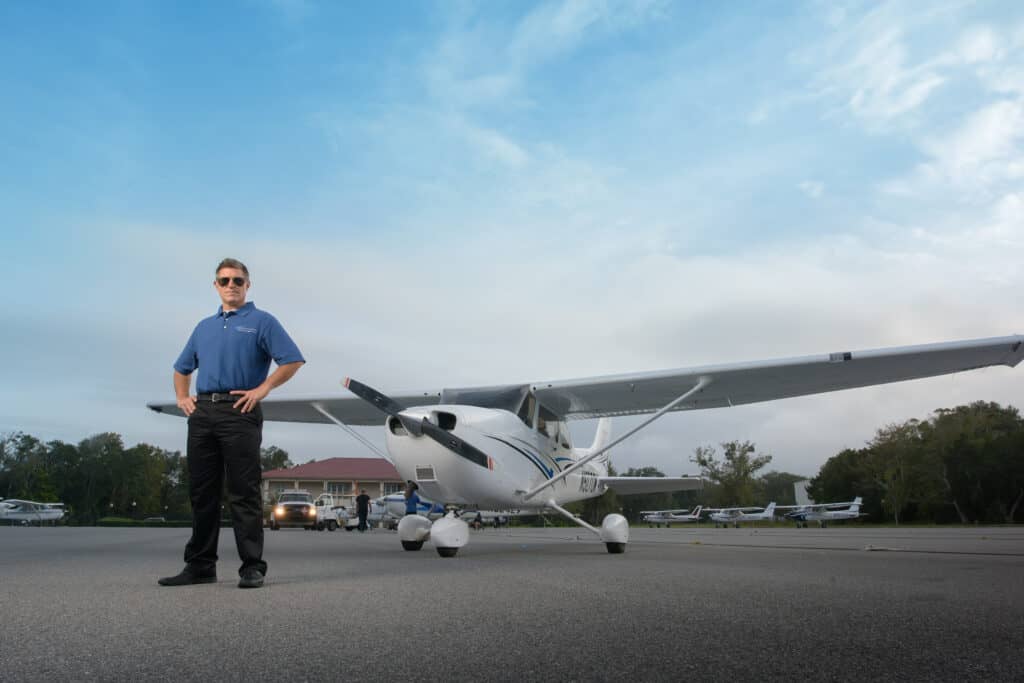

An Admissions Flight is a crucial step for aspiring pilots considering a career in aviation. It’s not just a routine flight or a standard tour of a flight school; rather, it’s a tailored experience designed to give prospective students a comprehensive introduction to both the school and the profession.
During an Admissions Flight, you’ll have the opportunity to sit in the cockpit, observe flight operations firsthand, and get a feel for the aircraft you might be training in. This immersive experience allows you to ask questions, interact with flight instructors, and gain valuable insights into the training process.
However, it’s important to understand what an Admissions Flight is not. It’s not a commitment to enroll, nor is it a formal assessment of your piloting skills. You won’t be expected to fly the aircraft or demonstrate any prior knowledge. Instead, it’s a chance for you to evaluate if aviation is the right path for you and if the particular flight school meets your needs. The Admissions Flight serves as a bridge between your aviation dreams and the reality of pilot training, helping you make an informed decision about your future in the skies.
This comprehensive guide will unveil the “Admissions Flight” – a strategic approach to soaring into your aviation future. By mastering these five essential steps, you’ll be well-equipped to chart your course towards a thrilling career in the skies.
The role of a pilot extends far beyond simply flying an aircraft from one destination to another. At its core, piloting is a profession of immense responsibility, where safety is paramount. Pilots are entrusted with the lives of passengers, crew members, and the integrity of multi-million dollar aircraft.
This responsibility begins long before takeoff, with meticulous pre-flight preparations including weather analysis, flight planning, and aircraft inspections. During flight, pilots must maintain constant situational awareness, make split-second decisions, and navigate complex airspace while adhering to strict aviation regulations.
Technical proficiency is just one aspect of a pilot’s skill set. Successful pilots possess a unique blend of attributes that enable them to excel in this demanding profession. These include exceptional decision-making abilities, unwavering concentration, and keen attention to detail.
Effective communication is crucial, as pilots must interact clearly with air traffic controllers, crew members, and sometimes passengers. Leadership qualities are essential, particularly for captains who oversee the entire flight operation. Additionally, pilots must demonstrate adaptability to handle dynamic situations, from changing weather conditions to unexpected technical issues.
The physical and mental demands of piloting should not be underestimated. Pilots often work irregular hours, crossing time zones and dealing with the effects of jetlag. They must maintain their health and fitness to meet rigorous medical standards required for licensing. Mental stamina is equally important, as pilots need to stay alert and focused during long flights and in high-pressure situations.
Understanding these aspects of a pilot’s role is crucial for anyone considering this career path. It allows prospective pilots to realistically assess their aptitude and commitment to this challenging yet rewarding vocation, ensuring they are prepared for the rigorous training and lifestyle that comes with being an aviation professional.
A flight school is an educational institution specifically designed to train aspiring pilots, providing both theoretical knowledge and practical flying experience. These schools range from small, local operations to large, internationally recognized academies. They offer various programs, from private pilot licenses to advanced commercial license and airline transport pilot certifications. When considering your options, it’s crucial to understand that not all flight schools are created equal, and finding the right fit for your goals and learning style is essential for success in your aviation career.
When evaluating potential flight schools, several key factors should be considered. Accreditation and industry recognition are paramount, ensuring that your training meets established standards by the country’s aviation authority such as the Federal Aviation Authority (FAA) in the USA. The curriculum and training approach should align with your learning preferences and career goals. It’s also important to assess the quality and experience of instructors, as well as the size and maintenance standards of the school’s aircraft fleet.
Admissions flight is another opportunity to consider the facilities and training resources available, job placement assistance, location, and tuition costs. For example, a well-respected institution like Florida Flyers Flight Academy offers a comprehensive program with a modern fleet and experienced instructors, serving as a benchmark for what to look for in a quality flight school. During Admissions flight it is crucial to make an informed decision, it’s advisable to go beyond online research. Attend open houses and schedule campus visits to get a firsthand look at the facilities and meet with instructors.
Engaging with current students and alumni can provide valuable insights into the school’s culture, training effectiveness, and industry reputation. Remember, choosing a flight school is not just about finding a place to learn; it’s about selecting an institution that will lay the foundation for your entire aviation career. Take the time to thoroughly research and visit multiple schools, such as Florida Flyers Flight Academy, to ensure you find the best fit for your aviation aspirations.
The Federal Aviation Administration (FAA) is a governmental agency within the United States Department of Transportation. Established in 1958, its primary mission is to ensure the safety and efficiency of civil aviation in the United States. The FAA’s responsibilities extend far beyond just regulating pilots; they oversee all aspects of aviation, including aircraft manufacturing, air traffic control, and airport operations. For aspiring pilots, understanding the role of the FAA is crucial, as it sets the standards and regulations that govern every stage of a pilot’s career.
One of the FAA’s most important functions for pilots is establishing and enforcing the requirements for obtaining various pilot licenses and ratings. These requirements are designed to ensure that all pilots meet a high standard of knowledge, skill, and physical fitness before they’re allowed to operate aircraft. The FAA sets minimum age requirements, mandates medical certifications, and determines the educational prerequisites for different levels of pilot certification. They also oversee the administration of written knowledge tests and practical flight examinations, which are critical steps in the licensing process.
Beyond initial licensing, the FAA plays an ongoing role in a pilot’s career. They require pilots to undergo regular medical examinations to maintain their certifications and mandate continuous training and proficiency checks. The FAA also investigates aviation incidents and accidents, using the findings to improve safety regulations and procedures. By setting these high standards and continuously working to improve aviation safety, the FAA helps maintain public confidence in air travel and ensures that becoming a pilot is a respected and professionally rigorous career path. For aspiring pilots, understanding and respecting the FAA’s role is an essential part of entering and succeeding in the aviation industry.
The admissions flight process is a crucial step in your journey to becoming a pilot. It’s an opportunity for flight schools to assess your potential and for you to experience firsthand what pilot training entails. Here’s a detailed guide to help you prepare:
Review Flight School Requirements: Thoroughly examine the admissions criteria for your chosen flight school. This includes understanding the minimum age requirements, which typically range from 16 to 18 years old depending on the program. Compile all necessary documents such as high school transcripts, proof of identity, and medical records.
Pay close attention to application deadlines, which can vary widely between schools. Familiarize yourself with the fee structure, including application fees, tuition costs, and any additional charges for flight hours or materials. Research the specific format of the admissions flight at your chosen school, as this can differ significantly – some may focus on observational flights, while others might include hands-on experiences.
Enhance Your Aviation Knowledge: Immerse yourself in fundamental aeronautical concepts. Study the four forces of flight: lift, drag, thrust, and weight, and understand how they interact during various stages of flight. Familiarize yourself with aviation terminology, including common acronyms used in the industry. Learn about different aircraft types, particularly those used in training at your chosen school.
This might include single-engine planes like Cessna 172s or Piper Cherokees. Stay updated on current aviation news and developments, including technological advancements, regulatory changes, and industry trends. This knowledge will demonstrate your genuine interest and commitment during the admissions process.
Practice Aptitude Tests: Many flight schools use specialized aptitude tests to assess candidates. These often include spatial awareness tests, which evaluate your ability to visualize objects in three dimensions. Practice multitasking exercises to improve your capacity to handle multiple inputs simultaneously, a crucial skill for pilots.
Work on enhancing your mental math skills, particularly speed and accuracy in basic calculations. Improve your hand-eye coordination through relevant exercises or flight simulation games. Some schools may also test your English language proficiency, so brush up on aviation-related vocabulary and communication skills.
Boost Your Physical Fitness: Physical fitness is crucial for pilots due to the demands of the job. Engage in regular cardiovascular exercises like running, swimming, or cycling to build endurance. This will help prepare you for long flights and the physical stress of certain maneuvers. Incorporate strength training exercises, focusing on core strength and balance, which are essential for maintaining proper posture during flight. Ensure you meet or exceed the medical requirements for a pilot’s license, which include vision tests, hearing tests, and overall physical health assessments.
Prepare for Interviews: Research and practice answering common aviation interview questions. These might include queries about your motivation for becoming a pilot, your long-term career goals, and how you handle stress or unexpected situations. Prepare thoughtful questions to ask about the flight school and its programs, demonstrating your genuine interest and forethought.
Work on your communication skills, focusing on clarity, conciseness, and confidence. Practice your body language, maintaining eye contact and a professional demeanor. Be prepared to discuss any relevant experiences or skills you have that might set you apart from other candidates.
The flight school application process is a critical step in your journey to becoming a pilot. It requires meticulous attention to detail, thorough preparation, and a clear demonstration of your commitment to aviation. This process typically begins with gathering all required documentation. This includes academic transcripts, which provide insight into your educational background and ability to handle the rigorous academic aspects of flight training.
Letters of recommendation are often required to vouch for your character, work ethic, and potential as a pilot. You’ll also need to provide proof of citizenship or eligibility to work in the country where you’re applying, as well as any additional documents specified by the flight school, such as proof of English proficiency for international students.
Once you have all your documents in order, the next step is to complete the application form itself. This is where attention to detail becomes crucial. Read all instructions carefully and fill out every section accurately and completely. Many schools now offer online application portals, which can streamline the process but require equal care in completion.
A key component of most applications is the personal statement or essay. This is your opportunity to showcase your passion for aviation, highlight relevant experiences, and articulate your career goals. Take time to craft a compelling narrative that sets you apart from other applicants. Some schools may also require additional essays or responses to specific prompts, so be prepared to put significant effort into these written components.
After submitting your application and all supporting materials, it’s important to stay proactive. Mark your calendar with important dates, including application deadlines and potential interview schedules. Many schools operate on a rolling admissions basis, so submitting your application early can be advantageous. Once you’ve submitted everything, follow up with the admissions office to confirm receipt of your materials and inquire about next steps.
Be prepared to respond promptly to any requests for additional information or clarification. Throughout this process, maintain a professional demeanor in all your interactions with the school. Remember, the application process is not just about the school evaluating you – it’s also your opportunity to assess whether the school is the right fit for your aviation aspirations.
The admissions flight interview is a critical juncture in your journey to becoming a pilot. It’s not just an opportunity for the flight school to assess your potential; it’s also your chance to demonstrate your passion, knowledge, and readiness for the challenges ahead. Preparation is key to success in this interview. Start by thoroughly researching the flight school – understand its history, mission, training philosophy, and unique offerings. Familiarize yourself with the types of aircraft they use, their training curriculum, and any notable achievements or alumni. This knowledge will not only help you answer questions more effectively but also allow you to ask insightful questions that show your genuine interest in the program.
During the interview, effective communication is paramount. Practice articulating your thoughts clearly and concisely, maintaining eye contact, and actively listening to the interviewer. Be prepared to discuss your motivation for pursuing aviation as a career, highlighting any relevant experiences or skills you’ve acquired. The interviewer may present hypothetical scenarios or ask how you’d handle certain situations in flight. These questions are designed to assess your problem-solving skills, decision-making abilities, and knowledge of basic aviation principles. Stay calm, think logically, and explain your reasoning step by step. Remember, it’s not just about having the right answer, but demonstrating your thought process and ability to handle pressure.
Professionalism should be evident in every aspect of your interview, from your appearance to your follow-up. Dress appropriately – business attire is typically expected, reflecting the professional standards of the aviation industry. Arrive early to allow time for any unexpected delays and to compose yourself before the interview. After the interview, send a prompt thank-you note or email, expressing your appreciation for the opportunity and reiterating your enthusiasm for the program.
This follow-up not only demonstrates good manners but also keeps you fresh in the interviewer’s mind. Remember, the admissions flight interview is as much about finding the right fit for you as it is for the school. Use this opportunity to assess whether the program aligns with your goals and expectations, setting the foundation for a successful aviation career.
Pursuing a career in aviation can be a significant financial investment, and it’s crucial to plan and secure funding for your flight training. Proactive financial planning and exploration of various funding options can alleviate stress and ensure a smooth transition into your aviation journey.
Here are some strategies to consider for financing your flight training:
Personal Savings and Family Support: Evaluate your current financial situation by reviewing your savings, investments, and assets. Create a detailed budget to determine how much you can contribute to your flight training. Discuss your aviation aspirations with family members who may be willing to offer financial support. Be prepared to present a well-thought-out plan demonstrating your commitment and the potential return on investment.
Scholarships and Grants: Research aviation-specific scholarships and grants from organizations like AOPA, EAA, and Women in Aviation International. Look into opportunities from aircraft manufacturers, airlines, and local sources. Create a spreadsheet to track application requirements and deadlines. Tailor your applications to highlight your passion for aviation and achievements. Consider seeking guidance from a scholarship coach to maximize your chances of success.
Student Loans: Complete the FAFSA to determine eligibility for federal student loans. Research private student loan options, comparing interest rates and repayment terms. Consider the long-term financial implications of borrowing. Explore income-driven repayment plans and loan forgiveness programs. Consult with a financial advisor to understand the full impact of student loans on your future financial health.
Military Programs: Investigate aviation programs offered by different military branches. Research specific opportunities like the Air Force’s Pilot Training Next or Army’s Warrant Officer Flight Training program. Understand the service commitments required. Consider joining the Air National Guard or Reserves as a path to subsidized flight training. Attend informational sessions or speak with recruiters for detailed information.
Employer Sponsorships: Research companies in the aviation industry that offer tuition assistance or reimbursement programs. Investigate programs like UPS’s Earn and Learn or FedEx’s Purple Runway Aviation Scholarship. If currently employed, inquire about education benefits that could apply to flight training. Consider seeking employment with a company offering aviation-related benefits, even if the initial position isn’t directly in aviation.
Crowdfunding Campaigns: Research crowdfunding platforms like GoFundMe or specialized aviation crowdfunding sites. Craft a compelling campaign that articulates your aviation goals and how contributions will help. Create a detailed budget breakdown. Develop a strong social media strategy to promote your campaign. Consider offering rewards to incentivize donations. Regularly update your campaign with progress reports and expressions of gratitude.
Embarking on an aviation journey is a thrilling and rewarding endeavor that requires dedication, perseverance, and strategic planning. By mastering the five ultimate steps of the “Admissions Flight” process, you’ll be well-equipped to soar into your aviation future with confidence and preparedness.
Remember, the path to becoming a pilot is challenging but immensely rewarding. Embrace the journey, stay committed to your goals, and never lose sight of your passion for aviation. With determination and a willingness to learn, you’ll soon find yourself taking flight into the vast expanse of the skies, embarking on an extraordinary career that will shape your life and inspire generations to come.
Take the first step towards your aviation dreams today! Visit Florida Flyers Flight Academy and explore our comprehensive pilot training programs. Our expert instructors and state-of-the-art facilities will guide you through every phase of your journey, from ground school to solo flights and beyond. Don’t let this opportunity slip by – apply now to experience the thrill of aviation firsthand. Your future in the skies awaits!
Contact the Florida Flyers Flight Academy Team today at (904) 209-3510 to learn more about the Private Pilot Ground School Course.