
Información sobre a carreira de piloto de liña aérea

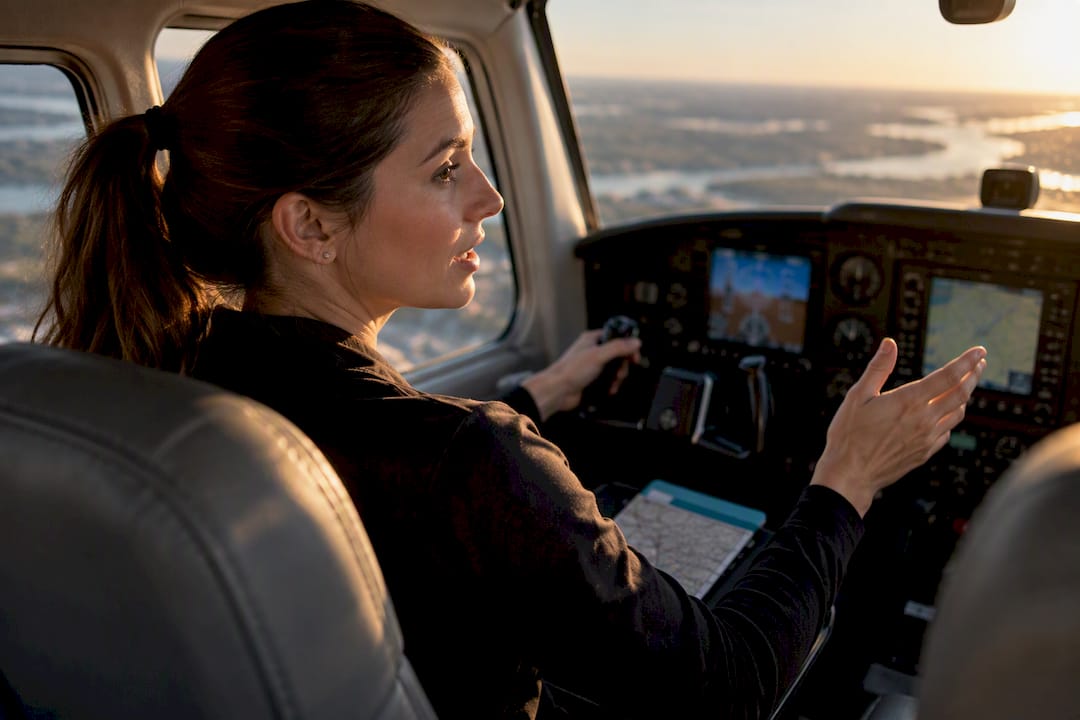
Pass the CFI checkride by preparing to teach, not to recite. Master the Fundamentals of Instructing and the FAA-S-ACS-25, build one-page lesson plans for every required task, rehearse teaching from the right seat, and finish with a full mock checkride.
TL; DR:
- The CFI checkride primarily evaluates teaching ability, requiring candidates to explain concepts clearly, manage risks, and reference authoritative sources during the oral.
- Preparing with one-page lesson plans, rehearsing teaching from the right seat, and completing a full mock checkride significantly boost success chances.
- Administrative readiness, including endorsements, accurate paperwork, and aircraft documentation, is crucial to avoid disqualification before the test begins.
- The oral lasts three to five hours and the flight two to three hours, with success in the oral a prerequisite for proceeding to the flight portion.
- Focus on teaching mastery and practical rehearsals over memorization, as mock checkrides and teach-first strategies are proven to convert candidates into confident instructors.
Most candidates walk in ready to answer questions. That’s the wrong preparation entirely. The Designated Pilot Examiner isn’t grading whether you know an answer. The examiner is grading whether you can teach it, safely, clearly, and with sound risk judgment.
The oral portion generally takes three to five hours, and the flight portion adds another two to three hours. Total time on test day commonly lands between six and ten hours, and some DPEs extend the oral further if they spot gaps worth probing. You cannot move to the flight portion until you’ve passed the oral, so a weak morning session doesn’t just cost you points. It can end the appointment before you ever touch the airplane.

The FAA-S-ACS-25 (CFI Airplane ACS) structures everything the examiner asks. It organizes the test into Areas of Operation and Tasks, each blending aeronautical knowledge, risk management, and skill elements. Examiners don’t quiz every line item. They sample across the standard, which means your prep has to cover breadth, not just depth on your favorite maneuvers.
Aircraft-specific numbers, like Vx, Vy, or fuel capacity, should come straight from the POH or AFM, not from a memorized figure you saw on a forum. Bring the aircraft’s actual documents to the oral and use them openly. That’s expected, not a sign of weakness. What examiners want to see:
Administrative errors sink more checkrides than bad maneuvers do. Verify every item below before you call the DPE or your Self Examining Authority school to schedule.
Missing any single item on this list can turn a scheduled checkride into a discontinuance before you ever open the ACS.
The oral doesn’t reward memorization. It rewards teaching. That distinction changes how you should be studying right now, today, before you touch another practice question bank.
Your two primary references are the FAA-S-ACS-25 and the Aviation Instructor’s Handbook (FAA-H-8083-9B). The Handbook covers the Fundamentals of Instructing, or FOI, which is the theory behind how people learn, how to structure a lesson, and how to correct errors without shutting a student down. FOI questions show up constantly in the oral because examiners want proof you understand teaching itself, not just stick-and-rudder mechanics. The FAA’s own guidance goes further, recommending that instructors train beyond minimum ACS completion standards rather than treating the ACS as a teaching script.
That’s the key mental shift: the ACS is a testing document, not a lesson plan. You build the lesson plans yourself, and they should map directly to each ACS Task.
A one-page lesson plan template that actually works during checkride pressure:
A stack of one-page sheets you’ve actually rehearsed with beats a 50-page binder you’ve never opened during a practice flight. Examiners can tell the difference between a candidate reading definitions and one teaching from internalized structure within the first two minutes.
For practice, run these exercises in the two weeks before your test:
Our FAA oral exam questions bank gives you a structured set of practice prompts built around this same teach-first format, and our breakdown of mapping lesson plans to the ACS walks through the process task by task.
Consello Pro: Answer every hard oral question in this order: state the standard, explain the risk behind it, then describe how you’d correct a student who got it wrong. That third step is what separates a CFI answer from a private pilot answer.
A structured 30-day plan built around an 80/20 teaching-to-flying ratio turns all of this into something you can actually execute instead of vaguely intend.
Semana 1: Fundamentos
Weeks 2 and 3: Practice
Week 4: Polish
The ratio matters more than the calendar. If you’re spending more hours flying than teaching in this final stretch, you’re preparing for the wrong test.
The flight portion isn’t a check of your stick-and-rudder skills alone. It’s a check of whether you can fly competently while narrating decisions, managing risk, and correcting another pilot’s errors in real time.
Structure every practice flight the same way you’ll be evaluated: brief, demonstrate, hand over controls, watch the student practice, then debrief. This four-part rhythm is exactly what examiners expect to see repeated across each maneuver in the ACS.
Positive exchange of controls deserves specific rehearsal. The verbal handoff, “you have the flight controls,” followed by the acknowledgment, “I have the flight controls,” should become automatic under pressure. Examiners notice when a candidate fumbles this exchange, because it signals a habit that could cause real confusion in the airplane with an actual student.
Right-seat proficiency is the most underpracticed skill among CFI candidates, and it shows up fast in a mock or real checkride. Ask your practice partner to intentionally make specific, common errors, ballooning the flare, missing a checklist item, drifting off heading, so you rehearse catching, correcting, and explaining the fix out loud. This conditions you to keep talking through a correction instead of silently fixing it yourself, which is what a real DPE is watching for.
What examiners look for during the flight portion:
Consello Pro: Practice narrating out loud even when flying solo. Talking through your own risk assessment on every leg builds the habit so it doesn’t disappear under checkride pressure.
A full mock checkride with a senior CFI is consistently ranked as the highest-return activity in a 30-day plan. It’s the only rehearsal that exposes timing problems, stamina gaps, and blind spots you can’t see in yourself.
Structure the mock exactly like the real thing: a timed oral covering sampled ACS Areas of Operation, followed by a flight that mirrors the actual sampling pattern rather than just your favorite maneuvers. Follow both with a full, honest debrief.
Recording practices worth adopting:
After the debrief, sort every note into three buckets. Quick fixes are things you can correct with a single practice session, like tightening a checklist flow. Medium fixes need a few days of targeted repetition, like a maneuver that’s inconsistent under pressure. Re-fly items are serious enough that you schedule a dedicated flight before moving forward at all. Our guide to mock checkride prep walks through what a realistic mock session should include and how mentors typically structure the feedback.
Most disapprovals trace back to a handful of repeat offenders, and nearly all of them are avoidable with the right final-week checklist.
Day-of checklist: government ID, medical certificate, current logbook with endorsements, aircraft airworthiness and registration documents, POH/AFM, arrival at least 30 minutes early, and a full night of rest beforehand. Anxiety on test day is normal; our checkride anxiety resources cover breathing techniques candidates use to stay composed through a long oral.
Consello Pro: When a question stumps you, use this script: state the standard, explain the risk it prevents, reference the POH or ACS directly, then describe how you’d correct a student making that mistake. It buys you thinking time and demonstrates instructor judgment even when the exact number escapes you.
Most CFI candidates spend their final month building bigger binders and cramming more facts, treating the checkride like a knowledge test with a flying component attached. That’s backwards. The ACS was never designed as a study guide, and the DPEs administering it are trained to sniff out recitation within minutes.
What actually separates a first-time pass from a discontinuance is usually smaller than people expect: a candidate who can teach three maneuvers cleanly under pressure beats one who can define twenty maneuvers under no pressure at all. The mock checkride matters so much precisely because it’s the only rehearsal that applies real pressure before the day that counts.
That combination, teach-first prep plus a genuine mock under pressure, is what consistently turns shaky candidates into confident instructors by test day.
— Rainier
If you’re weighing DIY prep against a structured program, the calculation usually comes down to time and access to a genuinely tough mock checkride. Flightschoolusa is the alternative to piecing together your own prep from scattered guides and hoping a local DPE has an open slot. Because some flight schools hold Self Examining Authority, checkrides can happen in-house, cutting scheduling delays that often stall candidates when their prep peaks.

Choosing paid, structured prep makes the most sense if you’re short on time, facing thin DPE availability in your area, or you simply want a high-fidelity mock checkride run by instructors who’ve sat on both sides of the table. Flightschoolusa’s CFI Fast Track Program builds the teach-first approach covered in this guide directly into a structured training timeline, with in-house checkrides removing the wait that so often stretches a 30-day plan into three months. If you’re ready to move forward, explore the program details and get a personalized timeline through the Programa de escolas de voo de compañías aéreas de prezo fixo páxina hoxe.
The oral is where most candidates struggle, specifically the Fundamentals of Instructing questions and the ability to teach a concept rather than just state it. Weak lesson organization and an inability to explain por que a standard exists, rather than just what it is, cause more discontinuances than any single flight maneuver.
Most candidates find the shift from “knowing the answer” to “teaching the answer” the hardest adjustment. The flight portion’s demand for continuous narration, positive exchange of controls, and in-the-moment error correction also catches candidates who haven’t specifically rehearsed right-seat teaching.
The oral portion usually runs three to five hours, and the flight portion adds another two to three hours, for a total commonly between six and ten hours. You must pass the oral before moving to the flight portion.
Build one-page lesson plans mapped to every ACS Task, study the Fundamentals of Instructing from the Aviation Instructor’s Handbook, and rehearse teaching from the right seat with a peer or mentor. Finish your prep with a full mock checkride, ideally three weeks before your test date, so you have time to fix what it reveals. Flightschoolusa’s mock checkride prep resources outline exactly what that final rehearsal should include.
Yes. Flightschoolusa’s CFI Fast Track Program includes structured CFI prep and in-house mock checkrides, backed by the academy’s Self Examining Authority for in-house testing. Current pricing details are available directly on the Fixed-Price Airline Flight School Program page.


