Ավիաընկերության օդաչուի կարիերայի մասին տեղեկատվություն

Flight training is one of the safer forms of flying, but the safety of your own training depends heavily on the school you choose. Student pilots have less than half the fatal-accident rate of pilots as a whole, according to AOPA’s analysis of flight training accidents. Oversight, curriculum structure, instructor behavior and aircraft discipline are what separate a well-run program from a merely cheap one, and all four can be checked before you sign anything.
The short answer: safer than most people assume, and safer than flying after you have your certificate. AOPA’s review of accident data found that student pilots have less than half the fatal-accident rate of pilots as a whole, whether they fly with an instructor or solo. Separately, AOPA Air Safety Institute data from 2014 showed that fatal accident rates on instructional flights were less than half those of non-instructional general aviation flights.
There are two caveats worth knowing, because a careful student should not rest on the headline.
The NTSB offers a useful explanation for why general aviation pilots fare worse than students: they are much more likely to have long gaps between training sessions and between flights. Students fly frequently, with a professional checking their work. That is exactly the proficiency pattern an accelerated, full-time program is built around.
Knowing the failure modes tells you which safety practices matter most. An AOPA Air Safety Institute review of fatal flight training accidents in piston airplanes between 2000 and 2015 identified loss of control in flight (54%) and midair collisions (10%) as the leading causes. The same report found the overall instructional accident rate fell by 35% over that period.
Phase of flight matters too. A 2014 AOPA Air Safety Institute study reported that 80% of fixed-wing student solo accidents occurred during takeoff, landing or go-arounds. Academic work on NTSB data points the same way: the top causes of safety events across all pilots include loss of control in flight, power plant failures, abnormal runway contact and fuel issues, as summarized in a Scholarly Commons study of safety in flight training.
Ինչ է սա նշանակում գործնականում.
| Ռիսկ | What a strong school does about it |
|---|---|
| Loss of control in flight | Teaches stall and upset recognition, requires instructor-endorsed readiness before solo, and standardizes stabilized-approach criteria |
| Midair collision | Drills scanning technique, radio discipline and traffic pattern procedures from the first lessons |
| Takeoff and landing accidents | Sets crosswind and gust limits for students, uses go-around training as a normal procedure rather than a failure |
| Poor decisions before the flight | Requires a preflight risk assessment and teaches students that canceling is a legitimate outcome |
In the United States, a flight school can operate under 14 CFR Part 61 or under the more heavily regulated Part 141. According to FAA Խորհրդատվական շրջաբերական 141-1B, Part 141 schools must maintain an FAA-approved structured curriculum, dedicated training facilities and chief instructor oversight, and they are subject to regular FAA surveillance.
The same circular sets a measurable standard that speaks to another common worry: to qualify for a pilot school certificate, an applicant must graduate at least 10 different people and establish a practical-test pass rate of 80 percent or higher. The FAA also lists approved schools and the standards they meet on its pilot schools information page.
Part 141 does not make a school automatically safe, and a good Part 61 instructor can be excellent. But structure is a safety feature. A syllabus with stage checks means someone other than your day-to-day instructor confirms you are ready for the next step, which is a second set of eyes at the points where complacency creeps in. If you want to see how that works, our guides to Part 141 stage checks և how Part 141 schools ensure comprehensive pilot education walk through the process in detail.

A brochure will always say safety comes first. A visit shows you whether it does. The FAA’s own instructional guidance gives you a vocabulary for what to look for.
The FAA’s Aviation Instructor’s Handbook says good instructors model safe behavior, discuss safety and checklists before flights, and supervise learner performance. Watch for this on the ramp. Do instructors run the checklist with the student, or from memory? Is the preflight briefing a real conversation about weather, fuel and abort criteria, or a two-minute formality?
The FAA promotes Scenario-Based Training and Single-Pilot Resource Management, through its FAA Industry Training Standards guidance, to integrate risk management, decision-making and situational awareness into every flight. The intent is to move away from purely maneuver-based instruction toward training that forces students to apply decision-making in realistic situations.
Ask the school to describe a scenario lesson from the private pilot syllabus. A specific answer, such as a cross-country with deteriorating weather and a diversion decision, is a good sign. A vague one is not.
The FAA Risk Management Handbook (2022) recommends that pilots, students included, establish personal minimums and use checklists to standardize risk assessment. A school that has you write down your own weather, crosswind and fatigue limits in the first weeks is teaching you a habit that outlasts the course. Our overview of how pilots prioritize flight safety covers how those limits are set.
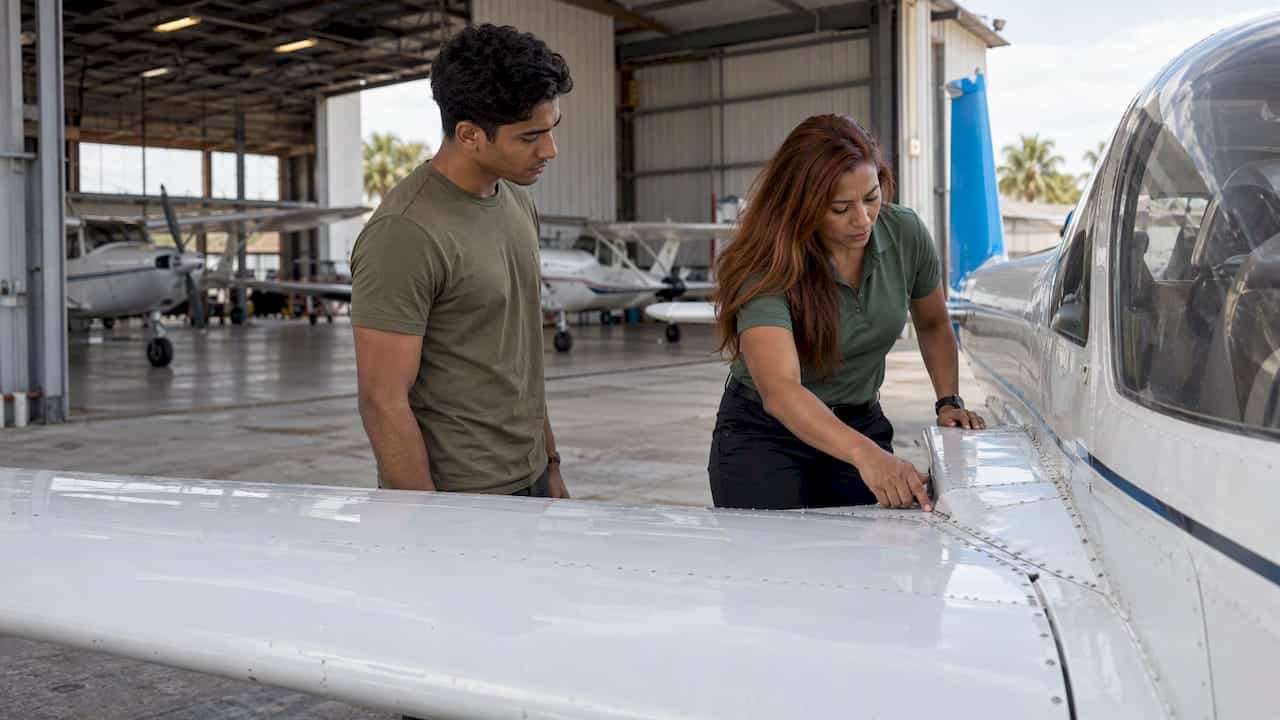
Ask to see the fleet, not a photograph of it. Check that aircraft are clean and consistently equipped, that squawks are written up and closed without drama, and that students are taught to inspect the airplane and to say no to one that is not right. Ask how the school schedules maintenance around busy training periods. Pressure to keep airplanes flying is a cultural risk worth probing.
The best single indicator is whether students are praised for canceling. Ask a current student, not the sales team, what happens when they decline a flight because of weather or fatigue. The right answer is nothing, or approval.
The figure is real, but it does not mean what the question implies. A study conducted for AOPA by a polling firm found that about 80% of student pilots voluntarily withdraw before earning even a basic license. The same coverage reported that students responded well to professionalism at every level, while many rated instructors as insufficiently professional or school support as indifferent.
Notice what is being measured: voluntary withdrawal, largely among people who begin flying for recreation, not accidents and not failed exams. For you, the lesson is practical. Retention is a quality signal. Schools that structure training, fly students frequently and treat instructors as professionals tend to keep students, and the same traits protect safety. Compare that with a casual, once-a-week model, where skills fade between lessons, the exact interval problem the NTSB describes above.
No single national figure captures it, because failure takes different forms: withdrawal, an unsatisfactory checkride, or a delayed endorsement. What the FAA does publish is the benchmark for Part 141 certification: a school must maintain a practical-test pass rate of 80 percent or higher to qualify. When you evaluate a school, ask for its first-time pass rate, how many students it counts, and over what period. A figure with a denominator is worth more than a slogan.
A checkride is not a pass-fail trap. It is a structured evaluation, and a bad day is recoverable. If you want to know what to expect, read our guides on ինչ է ստուգայցը and what happens if you fail one.
We have trained students long enough to know that most safety problems in flight training begin on the ground, in how a program is built. Three things matter most to us.
Կառուցվածքը: Our programs run under FAA Part 141 approval, which means a defined syllabus, stage checks and FAA surveillance rather than improvisation. Students progress because they have shown proficiency at each stage, not because a block of hours has been billed.
Շարունակականություն. Accelerated training works for safety because you fly often and with the same standards. Skills do not decay between lessons. Our approach lets a student progress from private pilot toward ATP minimums in as few as 111 hours of flight training under the Part 141 structure, and we are careful to say that this is a pace of training, never a reason to skip judgment.
Հավասարեցում։ A school paid by the hour has no incentive to hurry you, but it also has no financial reason to say you are ready. A fixed-price model removes pressure in both directions: nobody is watching the Hobbs meter on your behalf, so a weather cancellation costs you nothing extra and a decision to repeat a maneuver is purely a training decision. That is what we mean by risk transfer: the financial uncertainty sits with the school, and the student’s attention stays on proficiency.

We also hold Self Examining Authority, so checkrides can be conducted in-house rather than after a long wait. Shorter gaps between final preparation and the exam keep your skills sharp at the moment they are tested. Our first-time pass rate on FAA practical exams is over 90%, which we offer as a result of structure and preparation, never as a promise of your own outcome.
If we could give every prospective student one piece of advice, it would be this: visit, fly a discovery lesson, and watch how the people around you behave when the schedule is tight. That tells you more than any ranking.
— Ռեյներ
Bring this list to every visit.
Մեր ուղեցույցը օդաչուների վերապատրաստում անվտանգության արձանագրությունների վերաբերյալ և training and safety for a safer pilot expand on the first four.
If you are ready to compare programs, our Ֆիքսված գնով Ավիաընկերության թռիչքների դպրոցական ծրագիր հրատարակվում է 85,900 դոլարով, և մեր ԱՄՆ ավիաընկերության օդաչուների կարիերայի ծրագիր at $49,950. Both are Part 141-structured, with in-house checkrides and M1 visa support for international students. Individual courses, including private pilot, instrument and multi-engine training, are described on our օդաչուների վերապատրաստման դասընթացների էջ.

To see what each certificate costs before you commit, start with our breakdown of flight training costs by license type, then contact us to schedule a visit.
Not compared with flying after certification. Student pilots have less than half the fatal-accident rate of pilots as a whole, according to AOPA’s analysis. Risk remains, mainly in landings and loss-of-control situations, which is why instructor quality and a structured syllabus matter.
Part 141 adds FAA-approved curricula, defined facilities, chief instructor oversight and regular FAA surveillance. That structure supports safety, but individual instructors and school culture still decide the daily reality. Judge both.
Loss of control in flight, at 54% of fatal training accidents in piston airplanes between 2000 and 2015, followed by midair collisions at 10%. Takeoffs and landings are the most common phases for student solo accidents.
Watch behavior, not brochures. Instructors should brief and use checklists with students, teach scenario-based decision-making and encourage you to cancel flights when conditions exceed your personal minimums. Ask current students how often that happens.
An AOPA-commissioned study found about 80% withdraw voluntarily before earning a basic license. That reflects retention, often among recreational students, rather than accident or failure rates. Structured, frequent training improves the odds.