
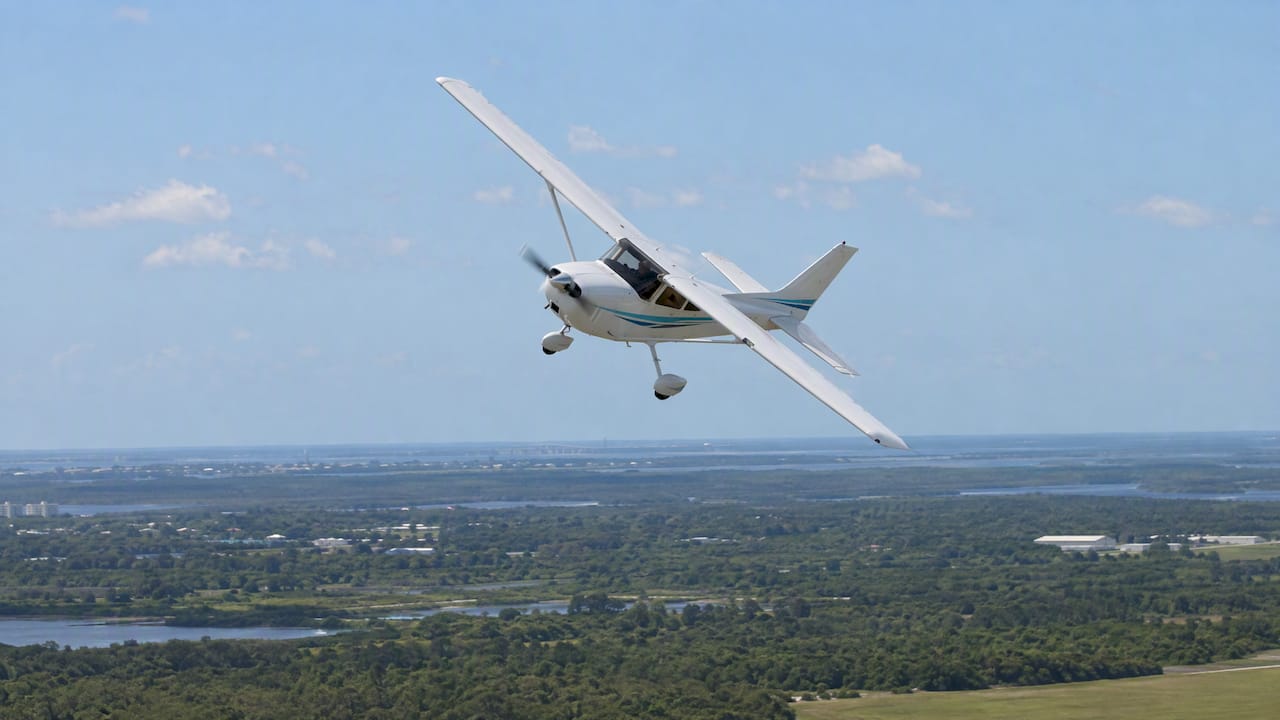
Qualified pilots can earn an FAA commercial certificate through a short intensive course or an approved Part 141 accelerated program. For most pilots who want the fastest reliable path, we recommend the Part 141 route, and an intensive suits experienced pilots with limited time. Before booking either, verify your FAA eligibility, your endorsements and your knowledge-test completion.
TL, DR:
- Under FAR 61.129, airplane single engine applicants generally need 250 logged hours; the 190 hour alternative applies only after completing the entire approved course.
- Book only after confirming your logbook, required endorsements, knowledge test, and medical certificate; refresher flights beforehand help pilots arrive current for intensive training.
- The course may take days to weeks, but it does not replace later hour building; airline career paths require 1,500 hours for ATP eligibility.
- Before enrolling, request an itemized quote and written weather, retest, rescheduling, and refund terms, then verify Part 141 approval, checkride support, and syllabus.
Not every format saves the same thing. Some compress the calendar, while others reduce the hours you must log. Matching the format to your schedule and eligibility narrows the field quickly.
FAR 61.129 governs commercial aeronautical experience, so check your logbook against it before you book anything. An applicant for an airplane single-engine rating must log at least 250 hours of total time, with specified minimums for components such as cross-country and night flying.
The numbers to remember: 250 hours under the standard rule, 190 hours only with a fully completed approved course.
Core syllabus items include maximum-performance maneuvers, time in a complex or technically advanced airplane, required cross-country flights, instrument practice as needed and final practical-test preparation. A representative five-day intensive runs like this:
A sample intensive might include a stage check, commercial maneuver practice, proficiency flights, cross-country planning and checkride preparation. The exact schedule varies by school and pilot.
Bring your knowledge-test pass, your logbook with the required endorsements and a valid medical certificate.
Talo Pro: Fly one or two refresher sessions at home before the block starts. Intensives reward pilots who arrive current, not pilots who hope to become current on day one.
An accelerated course compresses the practical training for the certificate. It does not replace the hour-building that comes afterward. Most airline hiring still requires far more hours than the commercial minimum, and airlines set their own thresholds.
Short intensives usually carry a base fee for instruction and aircraft time. Fixed-price Part 141 packages bundle aircraft, instructor time, ground materials and checkride fees into one figure. For a detailed breakdown, see our commercial training cost guide.
Talo Pro: Ask what happens to your price if a retest or weather delay extends the course. A fixed price that stays fixed is the point of the model.
Use this checklist, and ask admissions the questions in it directly:
Red flags: vague syllabi, no stated checkride plan and unclear refund terms.
Accelerated training suits a pilot who is current, can commit full-time and has the written test and endorsements done. The trade-off is intensity for speed, which may suit a qualified pilot who can commit to the schedule. Confirm your eligibility and paperwork before you book.
— Rainer

Our Florida Flyers Flight Academy program is built for the pilot this article describes. We run Part 141 accelerated commercial training, and because we hold Self Examining Authority, we conduct FAA checkrides in-house. That allows us to do so. The school describes its program as supporting students as they progress from private pilot training toward ATP eligibility.
Our Barnaamijka Dugsiga Duulimaadka Diyaarada Qiimaha Go'an lists at $85,900, one time. The Barnaamijka Xirfadda Duulimaadka Diyaaradda US Airline lists at $49,950, one time. The first is listed as a fixed-price program. Review the terms to confirm what is included and whether additional charges may apply.
Your next step is to check your eligibility against the requirements above. Then review our Commercial Pilot Part 141 program and talk to our admissions team about your logbook.

Pilots who already meet the FAA requirements can finish the practical training in days to a few weeks through an intensive or accelerated course. The binding limit is your logged experience, not the course length. A fully completed approved Part 141 course can reduce the aeronautical experience requirement to 190 hours.
It is worth it for pilots who are current, available full-time and prepared with their written test and endorsements. It rewards focus and cuts calendar time. It does not shorten the hour-building that airlines expect afterward.
Price depends on the format and what the package includes. Our fixed-price airline program lists at $85,900, and our airline career program lists at $49,950. Ask any school for an itemized list before you compare.


